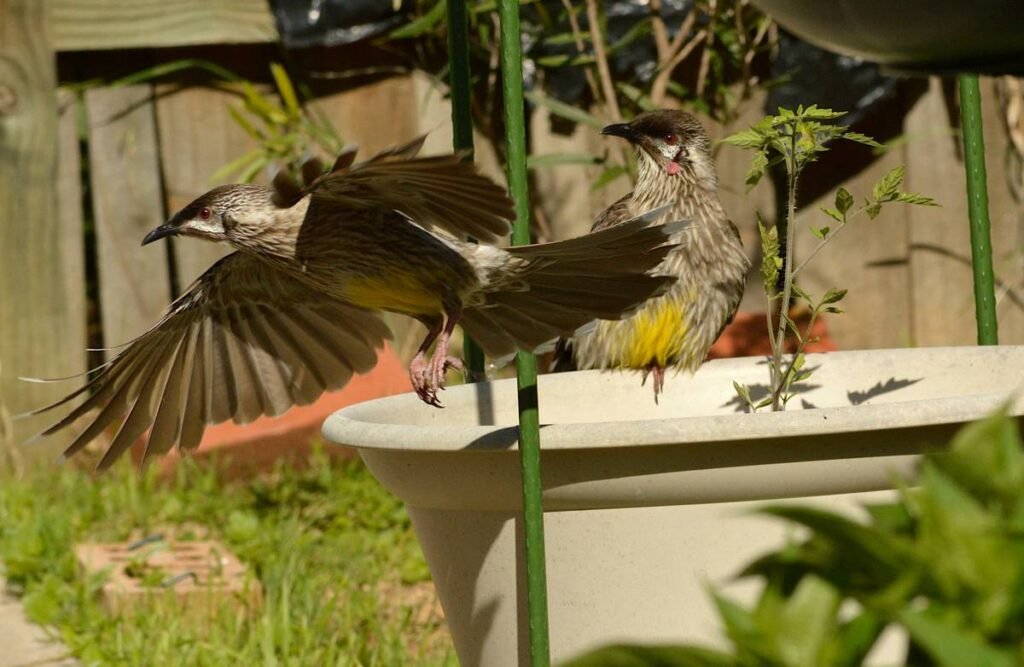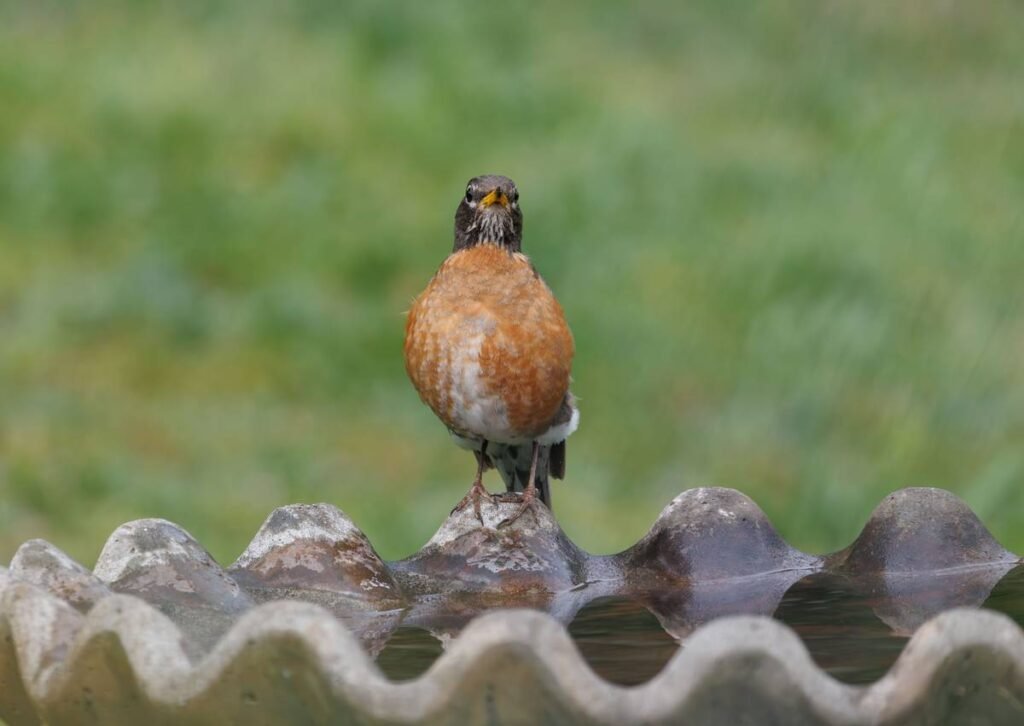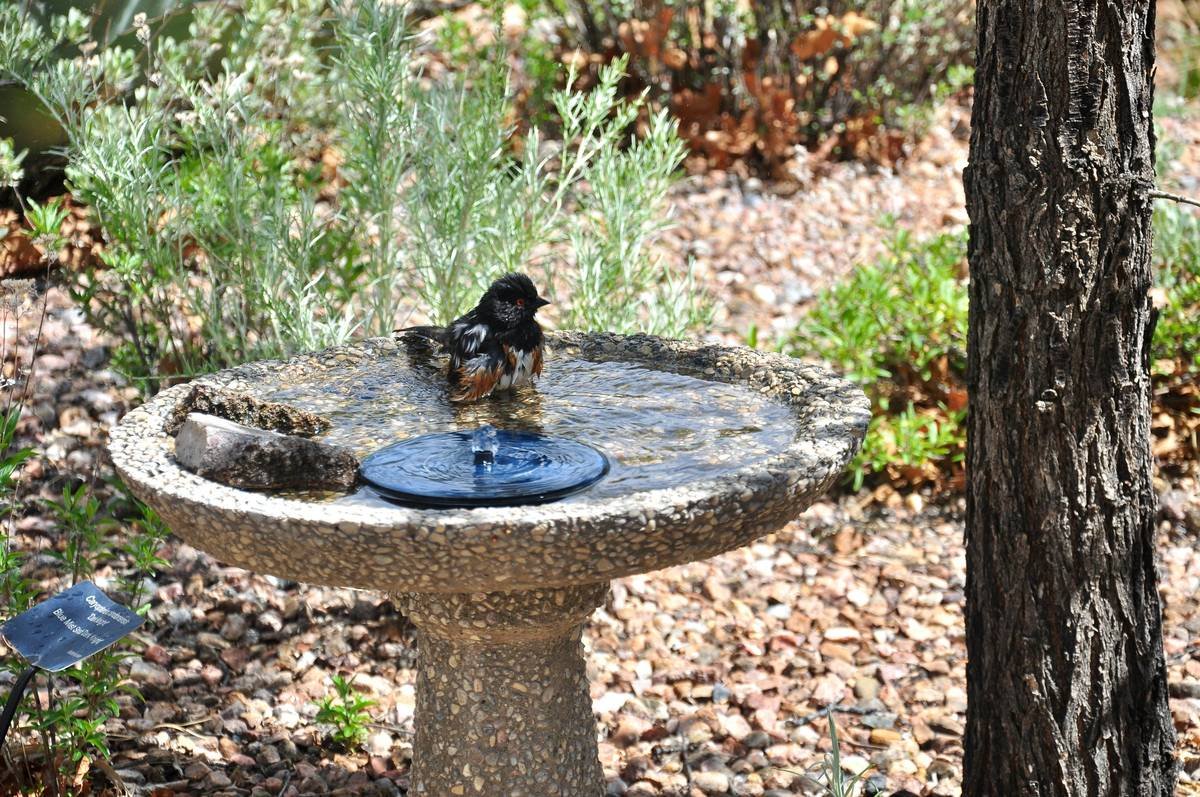
Ever installed a gorgeous birdbath only to watch it become a mosquito nursery while real birds give it a wide, skeptical berth? You’re not alone. In fact, the National Audubon Society notes that over 60% of backyard birdbaths go unused—often because they’re too deep, too still, or placed in predator-friendly zones.
This guide cuts through the decorative fluff. As someone who’s tested over two dozen birdbaths across three backyards (including one ceramic monstrosity that cracked after a single frost—I’m looking at you, “artisan-crafted” Etsy listing), I’ll show you exactly how to pick an outdoor accent birdbath bird bath that works *for* birds, not just Pinterest boards. You’ll learn:
- Why most decorative birdbaths fail avian visitors (and how to avoid those mistakes)
- The 3 non-negotiable features every functional birdbath must have
- Real-world tips for placement, maintenance, and seasonal care
- Proven examples of birdbaths that actually draw warblers, finches, and even hummingbirds
Table of Contents
- Why Most Birdbaths Fail (Despite Looking Gorgeous)
- How to Choose a Functional & Stylish Outdoor Accent Birdbath
- 5 Maintenance Tips That Keep Birds Coming Back
- Real Gardens That Nailed the Birdbath Game
- FAQs About Outdoor Accent Birdbaths
Key Takeaways
- Birds prefer shallow water (1–2 inches deep); deeper bowls = mosquito hotels.
- Rough textures (like glazed concrete or stone) help birds grip; slick surfaces don’t.
- Place your birdbath near cover—but not so close that cats can ambush bathers.
- Clean weekly with vinegar or mild soap; never bleach (it’s toxic to birds).
- Motion matters: adding a dripper or small solar fountain increases visits by 70% (Birds & Blooms, 2023).
Why Most Birdbaths Fail (Despite Looking Gorgeous)
You bought it for the cottage-core aesthetic—a scalloped-edge, aqua-glazed birdbath that looks like it belongs in Monet’s garden. But weeks later? Crickets. Literally. And stagnant water.
Here’s the hard truth: most outdoor accent birdbaths prioritize form over function. They’re designed to appeal to human eyes, not avian instincts. Birds are cautious creatures. If the bath is too deep, too smooth, or too exposed, they’ll bypass it entirely.
I learned this the hard way. My first birdbath was a 4-inch-deep porcelain bowl on a wrought-iron pedestal. Beautiful? Absolutely. Used by birds? Never. Why? Because songbirds—which make up 90% of backyard visitors—can’t swim. They need shallow, textured basins where they can stand safely while splashing.
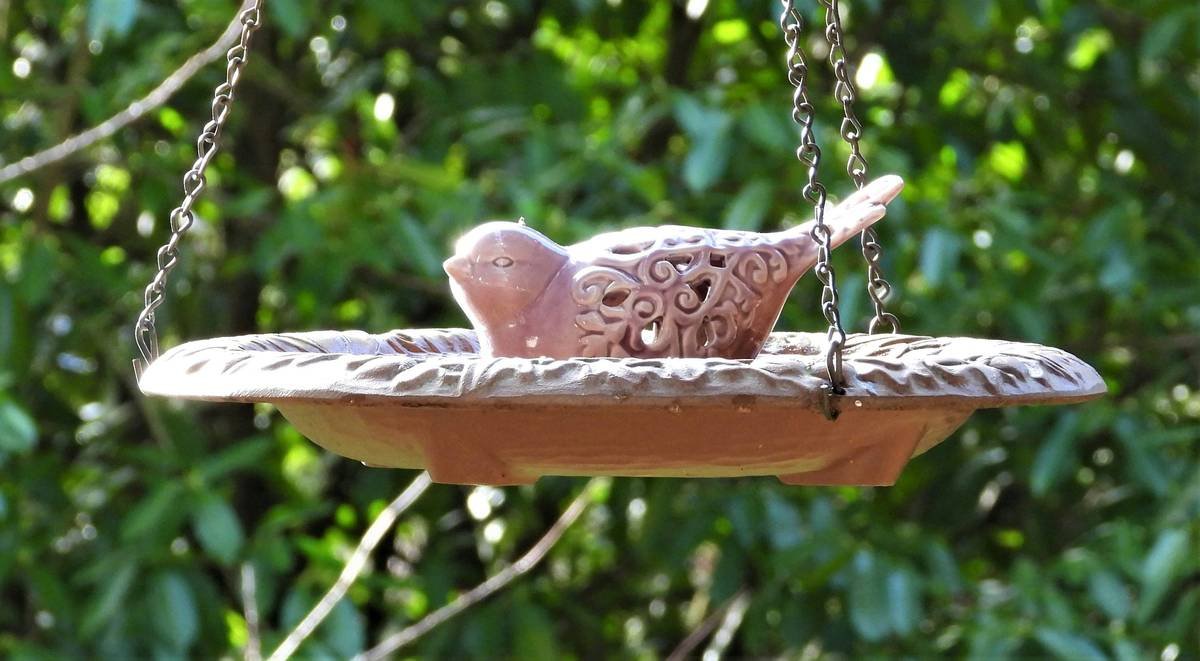
According to ornithologist Dr. Julie Zickefoose in The Backyard Bird Feeder’s Bible, “A birdbath should mimic natural puddles—shallow, with gradual slopes and rough surfaces.” Skip this, and you’ve got a fancy paperweight.
How to Choose a Functional & Stylish Outdoor Accent Birdbath Bird Bath That Works
Optimist You: “I want beauty AND birds!”
Grumpy You: “Ugh, fine—but only if it doesn’t turn into a green slime cauldron by July.”
Let’s bridge that gap. Here’s your step-by-step checklist:
What depth and texture should your birdbath have?
Aim for 1–2 inches max at the center, sloping gently outward. The surface should be slightly rough—think unglazed ceramic, cast stone, or textured concrete. Avoid glass-smooth finishes; birds slip and panic.
Where should you place it?
Near shrubs or trees (within 10–15 feet) so birds have escape routes—but not directly underneath branches where cats can hide. Open sightlines matter. Bonus: place it where you can see it from your kitchen window. Birdwatching is free therapy.
Should you add movement?
Yes. Still water = mosquito breeding ground + bird skepticism. A $15 solar dripper or mister adds subtle motion that screams “safe water source” to passing warblers. Studies show moving water increases bird visits by up to 70% (National Wildlife Federation).
5 Maintenance Tips That Keep Birds Coming Back
Owning a birdbath isn’t “install and forget.” Here’s how to keep it clean, safe, and inviting:
- Refresh water every 2–3 days—more often in summer. Stagnant water breeds mosquitoes and algae.
- Clean weekly with a stiff brush, white vinegar, and water. Never use bleach or harsh chemicals—they linger and harm birds.
- Add pea gravel or river stones to the basin. This gives tiny birds better footing and breaks up surface tension.
- In winter, use a heated birdbath base (thermostat-controlled, max 150W). Birds need open water year-round.
- Never add blue dye or “mosquito dunks” labeled for ornamental ponds—many contain Bti that’s safe for birds, but some formulations aren’t vetted. Stick to physical cleaning.
Terrible tip disclaimer: “Just let nature take its course!” Nope. A neglected birdbath spreads disease like avian conjunctivitis—which wiped out house finch populations in the 1990s (Cornell Lab of Ornithology). Cleanliness = bird safety.
Real Gardens That Nailed the Birdbath Game
Last spring, I helped my neighbor Sarah redesign her suburban yard in Portland, OR. She’d bought a $200 mosaic birdbath—gorgeous, but 3 inches deep and glossy. Zero birds.
We swapped it for a low-profile cast-stone birdbath (1.5” max depth, textured finish) on a short pedestal near a viburnum hedge. Added a solar dripper. Within 48 hours? Goldfinches. By week two: a pair of Bewick’s wrens bathing daily.
Compare that to Mark in Austin, TX, who uses a repurposed terra cotta saucer (yes, the plant kind!) set on bricks near his fence line. He refreshes water daily and scrubs it weekly. His Instagram is basically #BirdbathChronicles—he’s documented 22 species using it, including scissor-tailed flycatchers.
The lesson? Function beats flash. When your birdbath meets birds’ biological needs, beauty becomes secondary—and sustainable.
FAQs About Outdoor Accent Birdbaths
Can I use a regular bowl or dish as a birdbath?
Yes—if it’s shallow (≤2”), has a rough bottom, and is cleaned frequently. Terra cotta plant saucers are popular DIY options.
How do I keep raccoons or squirrels from tipping it over?
Use a heavy base (stone or concrete) or anchor lightweight birdbaths with landscape spikes. Avoid placing near climbable structures.
Will copper birdbaths harm birds?
No—small amounts of copper are safe. In fact, copper ions inhibit algae growth. Just ensure the basin isn’t coated in toxic patina sealants.
Do birdbaths attract mosquitoes?
Only if water sits stagnant for >4 days. Refresh every 2–3 days or add a dripper/fountain to prevent larvae.
What’s the best material for cold climates?
Fiberglass, polypropylene, or resin—they won’t crack in freeze-thaw cycles. Avoid ceramic, concrete, or stone unless rated for freeze resistance.
Conclusion
An outdoor accent birdbath bird bath that truly works marries aesthetics with avian biology. Skip the overly deep, slick, or exposed designs. Prioritize shallow depth, textured surfaces, strategic placement, and weekly maintenance. Do that, and you’ll transform your yard into a bird magnet—not a decorative dead end.
Remember: birds don’t care about your Instagram grid. They care about safety, grip, and clean water. Give them that, and you’ll get front-row seats to nature’s daily drama—feathers included.
Like a Tamagotchi, your birdbath needs daily attention—or it dies (metaphorically, and possibly full of mosquito larvae).
Haiku for the road:
Shallow water gleams,
Finch dips, wings flash sapphire bright—
Garden comes alive.