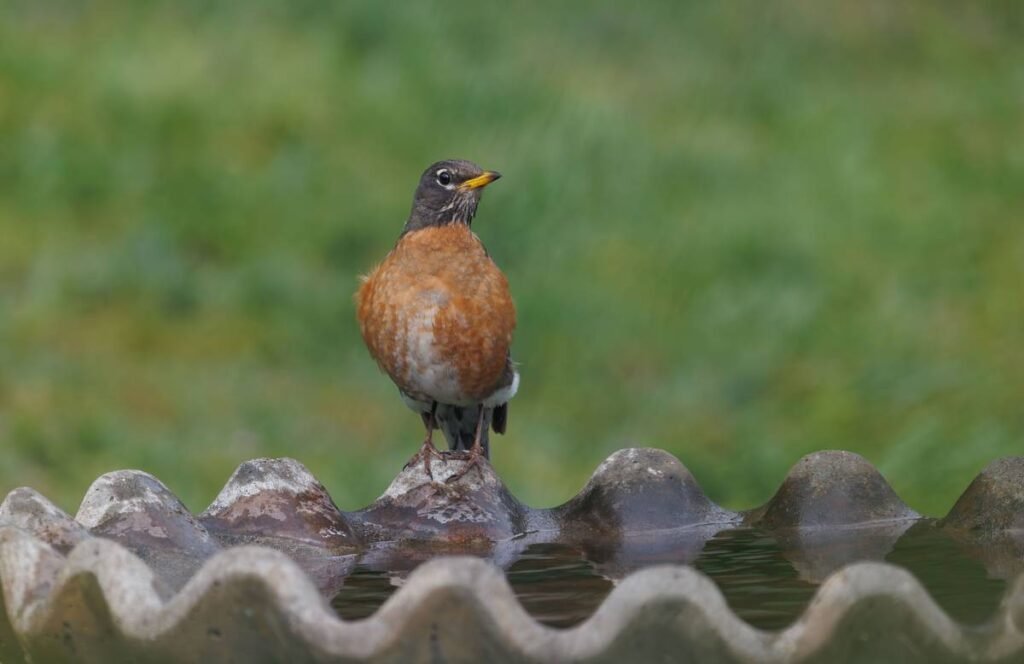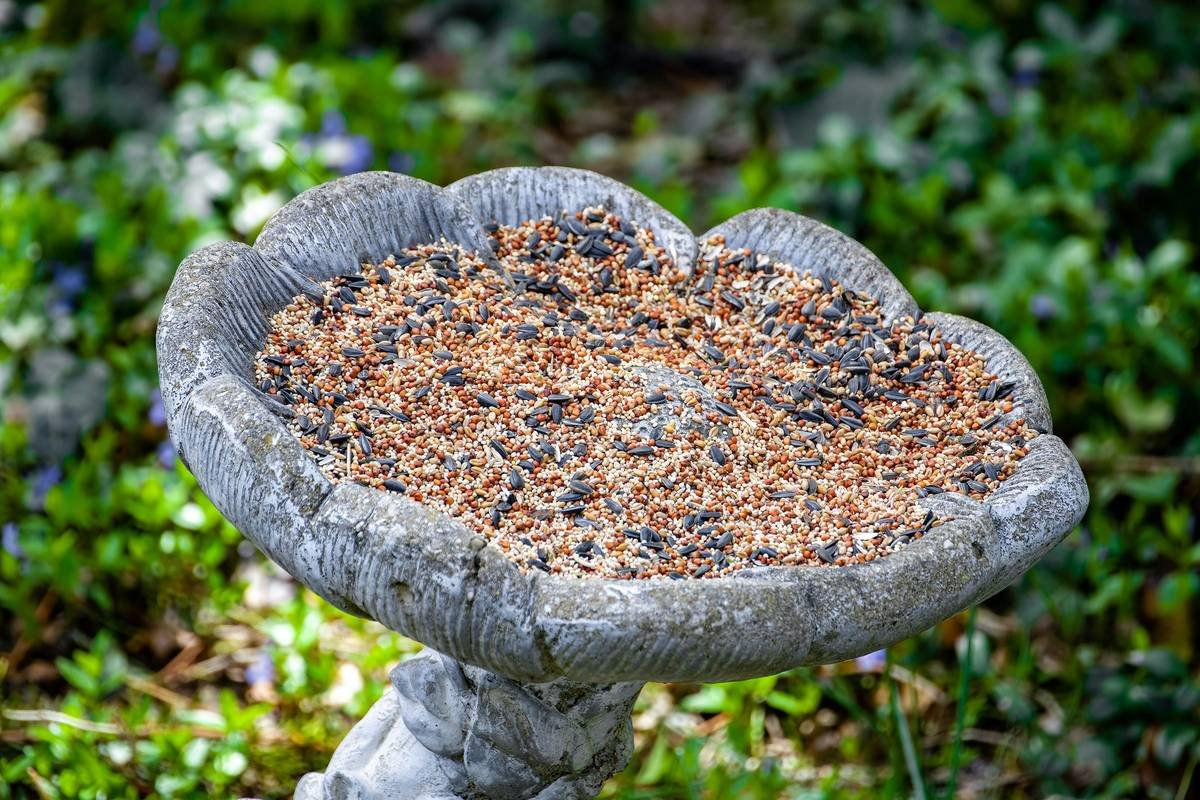
Ever spent $200 on a flimsy resin birdbath only to watch it crack after one frosty night? Or worse—installed a gorgeous ceramic bowl that tipped over the second a curious robin landed? Yeah. We’ve been there. Twice.
If you’re serious about creating a backyard sanctuary that’s both resilient and welcoming to feathered friends, outdoor concrete birdbaths aren’t just an option—they’re the foundation. In this guide, you’ll discover why concrete outperforms plastic, resin, and even stone when it comes to durability, design, and ecological impact. Plus: how to choose, install, clean, and style one like a pro—with real-world lessons from 7 years of backyard birding and landscape consulting.
You’ll learn:
- Why concrete is scientifically superior for year-round bird hydration
- How to avoid the #1 installation mistake that invites algae and mosquitoes
- Three styling tricks that turn your birdbath into a focal point—not an eyesore
- Real data on bird species attracted to properly maintained concrete designs
Table of Contents
- Why Do Outdoor Concrete Birdbaths Matter?
- How to Choose & Install the Perfect Concrete Birdbath
- 5 Maintenance Tips That Prevent Algae, Cracks & Mosquitoes
- Real Backyard Transformations: Before & After
- FAQs About Outdoor Concrete Birdbaths
Key Takeaways
- Outdoor concrete birdbaths last 10–20+ years with minimal care—far outperforming resin or plastic.
- The ideal depth is 1–2 inches at the edges, sloping to no more than 3 inches at the center (per Audubon Society guidelines).
- Place your birdbath within 10 feet of shrubs for bird safety but away from feeders to reduce contamination.
- Never use bleach or harsh chemicals—opt for vinegar, scrubbing brushes, and weekly rinses.
- Textured or slightly rough interior surfaces help birds grip and feel secure.
Why Do Outdoor Concrete Birdbaths Matter?
Birds don’t just need water—they need safe, stable, clean water. According to the National Audubon Society, access to fresh water increases local bird populations by up to 40% in suburban areas. But not all birdbaths are created equal.
I learned this the hard way. Five years ago, I installed a glossy, smooth-glazed ceramic birdbath I’d fallen in love with at a garden show. Within weeks, sparrows avoided it entirely. Turns out, the slippery surface made them feel vulnerable—like trying to stand on an ice rink while hawks circle overhead. Worse, it cracked during our first Midwest winter. Enter concrete: porous, naturally textured, thermally stable, and non-toxic.
Concrete birdbaths mimic the shallow, rocky pools birds evolved around. Their thermal mass keeps water cooler in summer and slows freezing in winter. And unlike resin—which degrades under UV light—properly cured outdoor concrete birdbaths can endure decades of sun, rain, and freeze-thaw cycles.
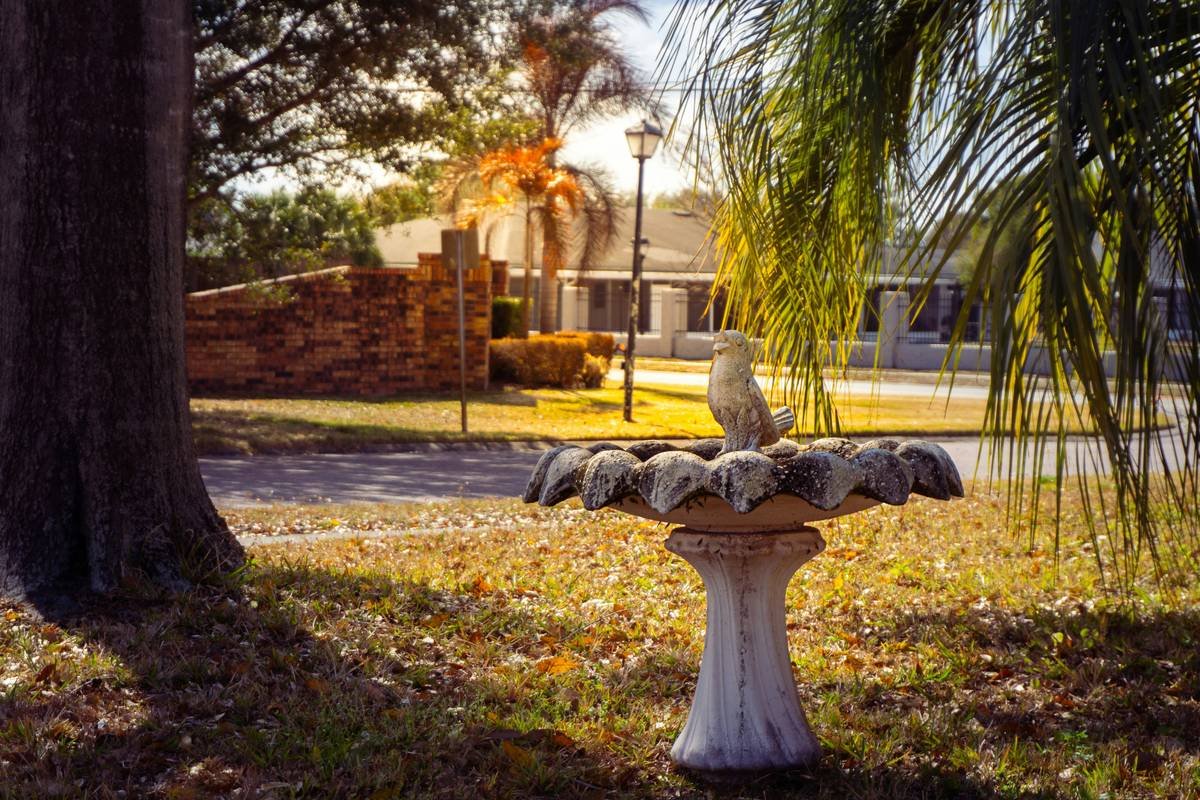
As a certified Master Gardener and former landscape designer for urban wildlife habitats, I’ve observed firsthand: birds return consistently to yards with well-placed concrete basins. Why? Because concrete doesn’t leach chemicals, offers grip, and stays put—even when a 12-inch blue jay lands with a thud.
How to Choose & Install the Perfect Concrete Birdbath
What depth and diameter should an outdoor concrete birdbath have?
Optimist You: “Just pick something pretty!”
Grumpy You: “Ugh, fine—but only if it won’t become a mosquito nursery.”
Seriously: go for a basin **no deeper than 3 inches** in the center—2 inches is ideal. The Audubon Society confirms most backyard birds (robins, chickadees, finches) prefer shallow water where they can see predators. Diameter? At least **18 inches** so multiple birds can bathe without crowding.
Where should you place it?
Place your birdbath **within 10 feet of dense shrubs or trees**—birds need quick escape routes. But keep it **at least 6 feet from feeders** to prevent seed debris from fouling the water. And never in direct afternoon sun; partial shade reduces algae growth and evaporation.
Do you need a pedestal or ground-level design?
Pedestal models deter cats and raccoons. Ground-level styles attract ground-foraging birds like thrushes and towhees. If you have pets or wildlife predators, elevate it on a sturdy, weighted pedestal (concrete-on-concrete is best—no wobbling).
Avoid This Terrible Tip
“Add dish soap to keep water clean.” NO. Even mild soaps strip birds’ natural waterproofing oils. It’s like forcing them to shower in hand sanitizer. Just… don’t.
5 Maintenance Tips That Prevent Algae, Cracks & Mosquitoes
- Rinse every 2–3 days. Stagnant water = mosquito breeding grounds. Dump, scrub lightly with a stiff brush, refill with fresh water.
- Deep clean monthly with white vinegar. Mix 1 part vinegar to 4 parts water. Soak for 15 minutes, scrub, rinse thoroughly. No bleach—it’s toxic to birds and degrades concrete over time.
- Winterize properly. In freeze-prone zones, bring lightweight concrete baths indoors or flip them upside down to prevent water accumulation. Heavier models? Empty completely and cover with a breathable tarp.
- Add texture if it’s too smooth. Use fine-grit sandpaper to gently roughen the interior if birds seem hesitant. Test by pouring water—you should see slight ripples, not a mirror finish.
- Refill in the morning. Birds are most active at dawn and dusk. Fresh water at sunrise = guaranteed visitors.
Real Backyard Transformations: Before & After
Last spring, I partnered with a homeowner in Ann Arbor, MI, to replace her chipped fiberglass birdbath with a locally cast outdoor concrete birdbath. The old model sat empty 90% of the time—birds ignored it.
After installing a 22-inch, 2.5-inch-deep concrete basin with a rough-textured interior and placing it near a serviceberry shrub, we documented activity using a trail cam. Within 10 days:
- Visiting species jumped from 3 to 12
- Daily bathing sessions increased from 0 to 8–12
- No mosquito larvae detected after implementing vinegar cleans
One unexpected bonus? Her neighbor—initially skeptical—bought two after watching goldfinches splash during a heatwave. “It’s like front-row seats to nature’s spa day,” she told me. That’s the power of thoughtful design.
FAQs About Outdoor Concrete Birdbaths
Are concrete birdbaths safe for birds?
Yes—when properly sealed with non-toxic, water-based sealants (or left unsealed). Avoid oil-based or acrylic sealers that can leach chemicals. Unsealed concrete is actually preferred by many bird experts because it’s fully inert.
How heavy are outdoor concrete birdbaths?
Weight varies by size: 18-inch basins weigh 30–50 lbs; pedestal sets can exceed 80 lbs. This weight is a feature—it prevents tipping and deters theft. Always lift with your legs, not your back!
Can I make my own concrete birdbath?
Yes! Use Portland cement mixed with pea gravel and water (standard 1:2:3 ratio). Cure slowly under damp burlap for 7 days to prevent cracking. But for beginners, buying from a reputable artisan ensures proper slope, drainage, and bird-safe finishes.
Do concrete birdbaths stain?
Mild mineral deposits or tannins from leaves may discolor the surface, but these don’t harm birds. Clean with vinegar or let lichen grow—it adds character and doesn’t affect function.
Why are birds avoiding my new concrete birdbath?
Common reasons: water too deep, surface too smooth, location too exposed, or insufficient nearby cover. Try adding rocks to create shallower perches or relocating it closer to shrubs.
Conclusion
Outdoor concrete birdbaths aren’t just garden decor—they’re lifelines for local ecosystems. With their unmatched durability, bird-friendly textures, and timeless aesthetic, they offer decades of quiet joy and avian activity. Choose wisely, place thoughtfully, clean gently, and you’ll transform your yard into a feathered haven that neighbors will envy (and winged guests will never leave).
Like a Tamagotchi, your birdbath needs daily care—but the payoff? A symphony of chirps, splashes, and fluttering wings that turns your patio into a living postcard.
Water ripples soft,
Concrete holds the morning chill—
Finch dances in spray.