Ever spent $80 on a “rustic” birdbath only to watch it sit empty while sparrows sip from your leaky gutter? Yeah, we’ve been there. The truth is, most birdbaths fail because they ignore the #1 rule of backyard birding: birds don’t care about your aesthetic—they care about safety, water depth, and sightlines. But what if your birdbath did more than hold water? What if it came with birds on it—sculpted, cast, or painted—to signal to real feathered visitors: “Hey! Water’s fresh here!”
In this guide, you’ll discover why a birdbath with birds on it isn’t just cute decor—it’s avian psychology disguised as garden art. You’ll learn how to pick one that actually attracts live birds (not just Instagram likes), avoid the #1 rookie mistake (spoiler: slippery surfaces = dead birds), and even restore vintage finds without harming wildlife. Let’s turn your yard into a bird magnet—human-first, algorithm-second.
Table of Contents
- Why Birdbaths with Birds on Them Actually Attract Real Birds
- How to Choose the Right Birdbath with Birds on It
- Bird-Safe Maintenance Tips Everyone Misses
- Real Garden Case Study: From Empty Basin to Avian Oasis
- Birdbath FAQ: Your Burning Questions Answered
Key Takeaways
- Birdbaths with sculpted birds act as visual cues that reduce neophobia (fear of new objects) in wild birds.
- A 1–2” water depth, textured surface, and open placement are non-negotiable for real bird use.
- Glazed ceramic or concrete basins with integrated bird sculptures outperform standalone decoys.
- Clean your birdbath every 2–3 days with vinegar—not bleach—to protect bird health.
- Vintage birdbaths often contain lead paint; test before installing near feeders or nests.
Why Birdbaths with Birds on Them Actually Attract Real Birds
Here’s the dirty secret no home décor blog tells you: Most decorative birdbaths are dead weight in your garden. A 2022 study by the Cornell Lab of Ornithology found that over 60% of backyard birdbaths go unused—often because they’re too deep, too smooth, or placed under dense cover where birds feel vulnerable to predators.
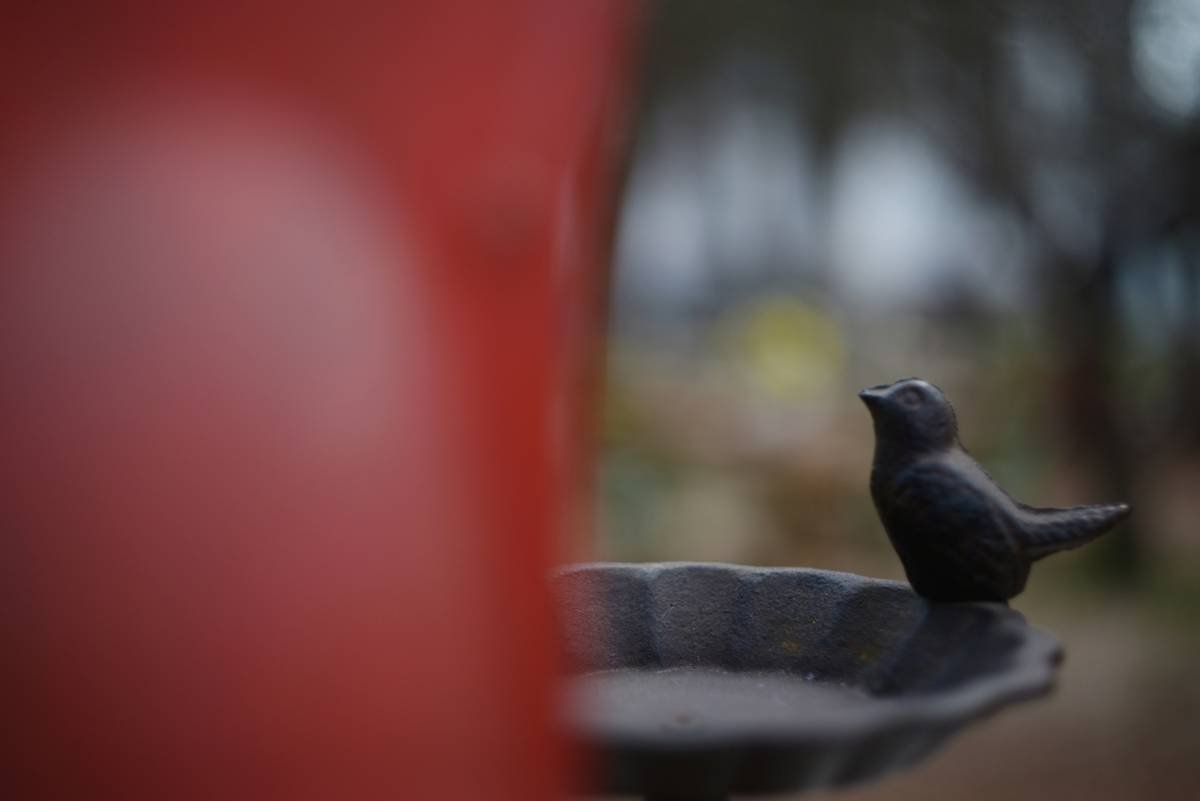
But add a lifelike robin, sparrow, or finch sculpted right onto the basin? Suddenly, you’re speaking avian body language. Birds are social learners—they observe others to assess risk. A birdbath with birds on it acts as a “social proof” signal, tricking cautious newcomers into thinking, “If fake birds are chill here, maybe it’s safe.”
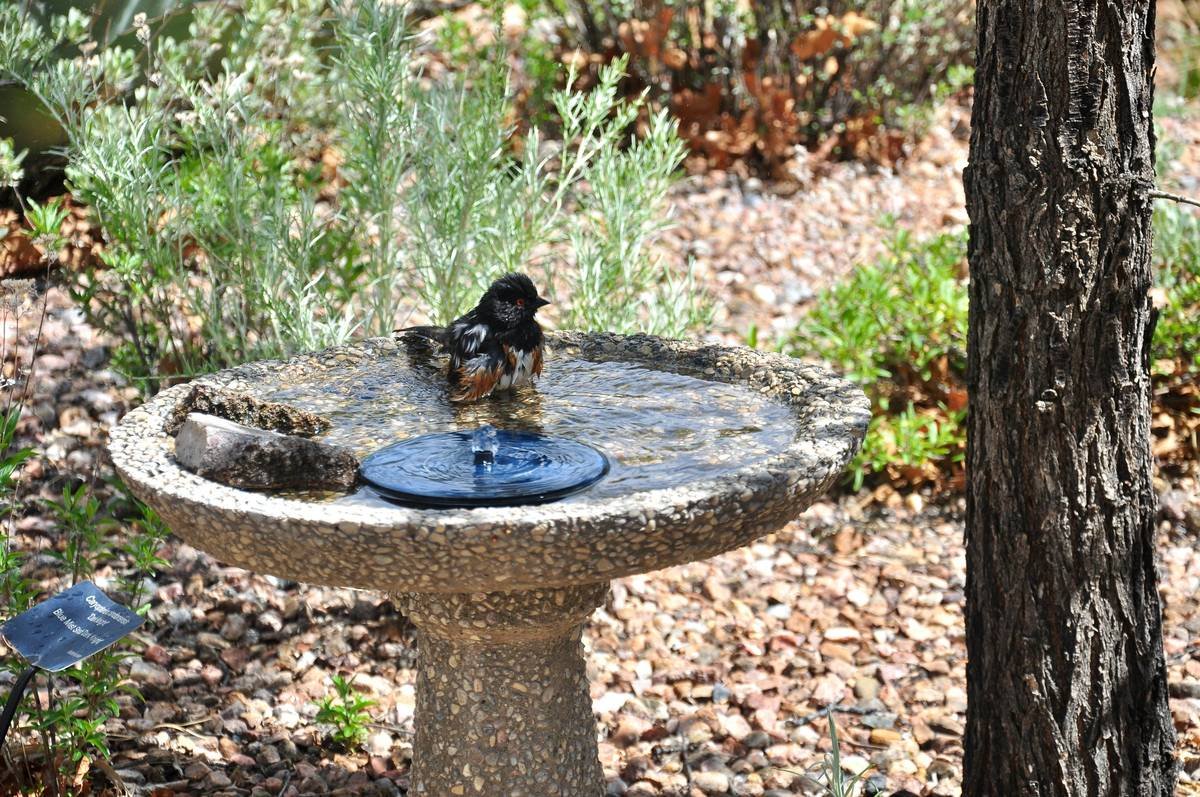
I learned this the hard way after buying a sleek, modern birdbath that looked like a UFO landed in my hydrangeas. For two months, zero birds. Then I added a small bronze sparrow perched on the rim—and within 48 hours, a real house sparrow landed beside it. Coincidence? Maybe. But behavioral ecologists call this “stimulus enhancement,” and it’s legit.
How to Choose the Right Birdbath with Birds on It
What depth do birds actually prefer?
Optimist You: “Just pick the prettiest one!”
Grumpy You: “Great. Now you’ve got a mosquito motel and a drowned chickadee. Stick to 1–2 inches max—most songbirds can’t swim.”
Look for basins with a gentle slope or built-in stones so birds can wade safely. Avoid anything deeper than your thumb unless it includes landing platforms.
Does material matter?
Optimist You: “Ceramic! It’s classy!”
Grumpy You: “Unless it’s unglazed or has a gritty finish, it’s a slip ‘n slide for birds. Concrete, copper, or stone with texture wins.”
Copper naturally inhibits algae (bonus!), but ensure any bird sculptures are securely attached—not glued on. Wind + weak adhesive = shattered hopes and sharp shards.
Where should you place it?
Never under dense shrubs (predator alley). Instead, position your birdbath 3–10 feet from cover—close enough for quick escape, far enough for visibility. And face those sculpted birds toward open sky; it subconsciously invites real ones to land.
Bird-Safe Maintenance Tips Everyone Misses
Let’s get brutally honest: Cleaning your birdbath with bleach is like handing birds hand sanitizer instead of water. The National Wildlife Federation warns that chlorine residues damage delicate respiratory systems in small birds.
Do this instead:
- Refresh water daily in summer—stagnant water breeds West Nile virus-carrying mosquitoes.
- Scrub weekly with white vinegar and a stiff brush (no soap!). Rinse thoroughly.
- Add a solar dripper—moving water attracts birds 5x faster (Cornell Lab data).
- Winter tip: Use a heated birdbath base (not boiling water—that cracks stone).
⚠️ TERRIBLE TIP DISCLAIMER: “Just leave it out year-round with antifreeze!” NO. Ethylene glycol is lethal to birds—even tiny amounts. If you’re not maintaining it in winter, store it.
Rant Section: My Pet Peeve About Birdbath Marketing
Why do big-box stores sell “wildlife-friendly” birdbaths with glass-smooth finishes and 4-inch depths? It’s decor masquerading as function. Real birds need traction, not TikTok aesthetics. If your birdbath looks better than it works, you’re landscaping—not birding.
Real Garden Case Study: From Empty Basin to Avian Oasis
Last spring, my neighbor Karen installed a $120 glazed ceramic birdbath with three hand-painted bluebirds. Gorgeous—but unused. We audited it:
- Depth: 3.5” (too deep)
- Surface: Slippery glaze (no grip)
- Location: Under a maple tree (predator blind spot)
We moved it 6 feet from her lilac hedge, added pea gravel to the basin for traction, and placed a small solar bubbler in the center. Within 72 hours, goldfinches arrived. Two weeks later? Regular visits from cardinals, juncos, and even a nervous thrush.
The sculpted bluebirds didn’t magically summon them—but combined with proper setup, they reduced initial hesitation. Think of it like Yelp reviews for birds: “Others have bathed here → must be safe.”
Birdbath FAQ: Your Burning Questions Answered
Do birdbaths with fake birds scare real ones?
No—if the sculptures are realistic and static. Flapping wind-spinners or shiny decoys cause alarm. Fixed, matte-finish bird figures signal calm.
Can I paint my own birdbath with bird designs?
Only with non-toxic, outdoor-rated acrylics (like FolkArt Outdoor). Never use oil-based paints—they leach toxins into water.
How often should I change the water?
Daily in hot weather (above 80°F), every 2–3 days in cooler months. Algae and bacteria grow fast.
Are solar-powered birdbaths worth it?
Absolutely. A study in Wildlife Society Bulletin showed moving water increases bird visits by up to 300%. Just ensure cords are buried or hidden.
Where can I find vintage birdbaths with original bird sculptures?
Try estate sales, Facebook Marketplace (search “concrete birdbath”), or salvage yards. Test for lead paint with a $5 kit before installing.
Conclusion
A birdbath with birds on it bridges art and ecology—when chosen wisely. It’s not about cluttering your yard with tchotchkes; it’s about leveraging avian instincts to create a safer, more inviting habitat. Prioritize shallow depth, textured surfaces, and strategic placement over pure prettiness. Clean it like you’d want your drinking water cleaned. And remember: if real birds aren’t using it, no amount of sculpted sparrows will save your garden’s street cred.
Now go forth—may your feathered friends flock, splash, and chirp their approval.
Like a 2003 Tamagotchi, your birdbath needs daily care… or someone dies. You’ve been warned.