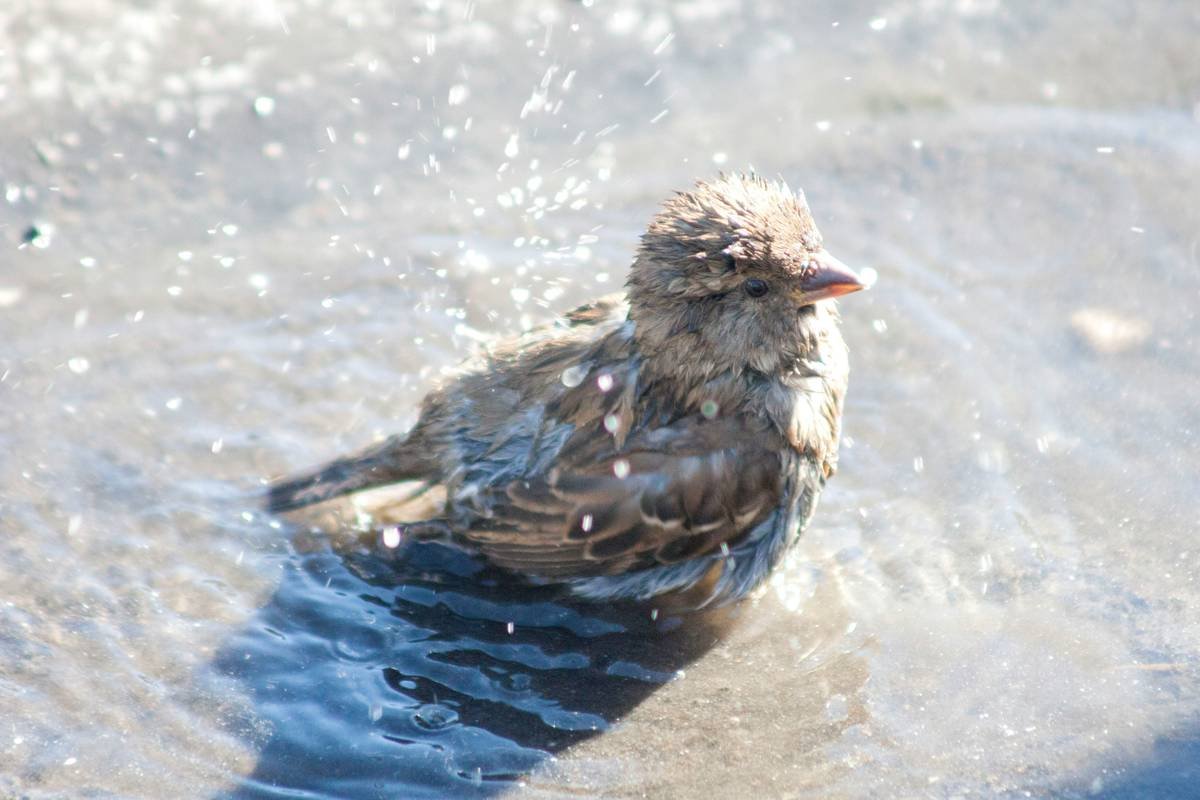
Ever watched a robin take a splash in your birdbath—only to notice a slimy green film coating the basin? Yeah, that’s algae. And while birds might not care, you should. Because what looks like a cute backyard feature could actually be a breeding ground for bacteria, parasites, and mosquito larvae. According to the Cornell Lab of Ornithology, dirty birdbaths are linked to outbreaks of avian diseases like salmonellosis and trichomoniasis—illnesses that can decimate local songbird populations.
In this post, I’ll walk you through exactly how to clean a wildlife habitat birdbath safely and effectively—without harming birds, beneficial insects, or your garden ecosystem. You’ll learn why weekly cleaning matters, which cleaning methods actually work (and which are pure myth), and how to turn maintenance into a 10-minute habit that keeps your feathered visitors healthy all season long.
Table of Contents
- Why Cleaning Your Wildlife Habitat Birdbath Isn’t Optional
- Wildlife Habitat Birdbath How to Clean: Step-by-Step Guide
- 5 Best Practices for Long-Term Birdbath Hygiene
- Real Talk: My Backyard Birdbath Crisis (and Recovery)
- FAQs: Your Burning Questions Answered
Key Takeaways
- Clean your wildlife habitat birdbath at least twice a week in summer, once weekly in cooler months.
- Never use bleach unless absolutely necessary—and always rinse thoroughly (10x over).
- Vinegar, baking soda, and scrubbing brushes are your safest, most eco-friendly allies.
- Stagnant water = mosquito nursery. Refresh water daily to protect birds and your family.
- A clean birdbath supports biodiversity—it’s not just decoration; it’s conservation.
Why Cleaning Your Wildlife Habitat Birdbath Isn’t Optional
Let’s be real: that “natural” green tint on your stone birdbath isn’t rustic charm—it’s biofilm. And birds drinking from it are ingesting pathogens shed by dozens of other species (sparrows, finches, even squirrels). The National Wildlife Federation states that contaminated birdbaths contribute to the spread of Trichomonas gallinae, a parasite that causes fatal lesions in birds’ throats.
I learned this the hard way. Two summers ago, I noticed fewer goldfinches visiting my garden. Then I spotted one struggling to swallow near the birdbath—its neck swollen, eyes half-closed. Heartbreaking. After consulting a local wildlife rehabber, I realized my “low-maintenance” approach (topping off water every few days) was endangering them.
Moral of the story? A wildlife habitat birdbath isn’t just decor. It’s a public health station for your local ecosystem. And like any shared resource, it needs regular sanitation.
Wildlife Habitat Birdbath How to Clean: Step-by-Step Guide
What supplies do I actually need?
Optimist You: “Just grab what’s under the sink!”
Grumpy You: “Ugh, fine—but only if I don’t have to buy fancy ‘eco’ sponges that dissolve after one use.”
Good news: You likely already own everything:
- Stiff-bristled brush (nylon or natural fiber—no wire!)
- White distilled vinegar (5% acidity)
- Baking soda (for tough mineral deposits)
- Garden hose with spray nozzle
- Rubber gloves (optional but recommended)
Step 1: Dump and Rinse
Empty all standing water onto soil (not pavement—it can harm concrete). Give the basin a quick hose-down to remove loose debris, feathers, and droppings.
Step 2: Scrub with Vinegar Solution
Mix 1 part white vinegar with 1 part water. Pour into the basin and let sit for 10–15 minutes. Use your brush to scrub all surfaces—especially textured stone or ceramic crevices where algae cling.
Terrible Tip Alert: Don’t use dish soap. Even “natural” soaps leave residues that strip birds’ preen oil—their waterproofing layer. Cornell Lab explicitly warns against detergents.
Step 3: Tackle Hard Water Stains (If Needed)
For white chalky buildup (common in well-water areas), make a paste of baking soda and water. Apply, let sit 20 minutes, then scrub gently. Rinse extremely well.
Step 4: Final Rinse ×10
Yes, ten times. Birds are hyper-sensitive to chemical traces. Spray every inch until the water runs clear and smells neutral—no vinegar tang.
Step 5: Refill with Fresh Water
Use lukewarm tap or rainwater. Avoid distilled—it lacks minerals birds seek. Place back in partial shade to slow algae growth.
5 Best Practices for Long-Term Birdbath Hygiene
- Clean weekly in cool weather, twice weekly in heat. Bacteria multiply faster above 70°F (21°C).
- Add movement. Install a solar dripper or fountain attachment—moving water discourages mosquitoes and attracts more birds.
- Place wisely. Keep 3–10 feet from shrubs (predator cover) but near trees (escape routes). Never under bird feeders—droppings will contaminate water instantly.
- Winter tip: In freezing temps, swap water daily or use a heated birdbath rated for wildlife safety (Audubon Society recommendation).
- Observe behavior. If birds avoid the bath or appear lethargic, clean immediately—even if it “looks fine.”
Real Talk: My Backyard Birdbath Crisis (and Recovery)
Last July, I skipped cleaning for 10 days during a family trip. Came back to a neon-green slime monster and zero birds. Worse: I found dead mosquitoes floating—definitely not part of my “wildlife habitat” vision.
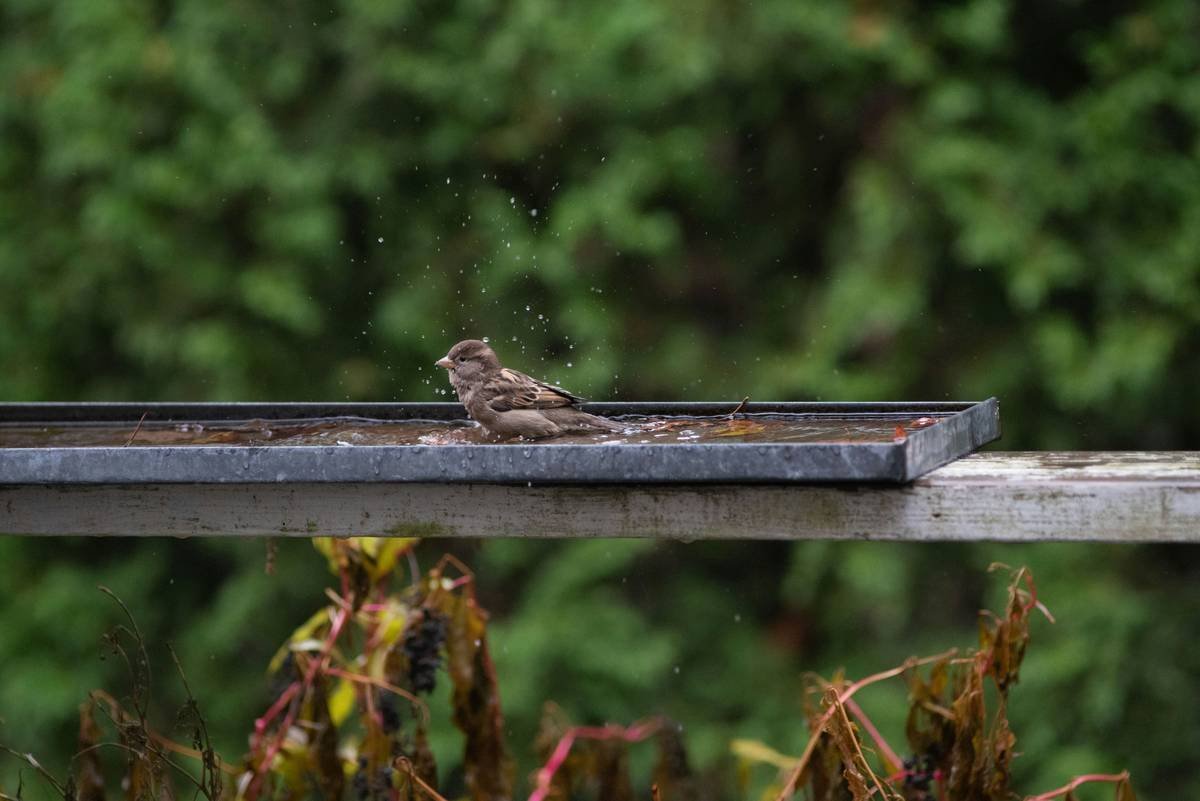
I followed the vinegar method above, scrubbed for 20 minutes (my arms burned like I’d done bicep curls), and refilled at dusk. By morning? A Carolina wren was splashing joyfully. Within three days, my usual crowd—chickadees, titmice, even a nervous nuthatch—returned.
The lesson? Consistency beats intensity. Ten minutes every few days prevents hour-long deep cleans and protects vulnerable species.
FAQs: Your Burning Questions Answered
Can I use bleach to disinfect my birdbath?
Only in disease outbreak scenarios (e.g., after finding a sick/dead bird nearby). Mix 9 parts water to 1 part bleach, soak 10 minutes, then rinse minimum 10 times. Better yet: consult your state’s wildlife agency first.
How often should I change the water?
Daily in warm months. Evaporation concentrates contaminants—fresh water = safer birds.
Are copper birdbaths self-cleaning?
Partly. Copper ions inhibit algae, but they don’t eliminate fecal bacteria. You still need weekly scrubbing.
What if my birdbath is concrete?
Concrete is porous—scrub gently to avoid erosion. Avoid acidic cleaners long-term; stick to vinegar for occasional deep cleans.
Conclusion
Cleaning your wildlife habitat birdbath isn’t chores—it’s stewardship. Every swipe of that brush helps maintain a healthy micro-habitat in your own backyard. By following this guide, you’re not just keeping water clear; you’re giving songbirds a fighting chance against preventable diseases.
So grab that vinegar, channel your inner ornithologist, and make cleaning part of your weekly rhythm. Your feathered neighbors—and your conscience—will thank you.
Like a Tamagotchi, your birdbath needs daily care… but the payoff is real-life magic.
Morning splash,
Wings flash gold in sun—
Clean water waits.