Ever spent $200 on a “rustic-chic” birdbath only to watch it topple over in a mild breeze—or worse, become mosquito central by week two? Yeah, we’ve been there. And if your idea of backyard bliss includes birds chirping instead of silence (or worse—neighbors’ leaf blowers), then decorative outdoor birdbaths aren’t just eye candy—they’re ecosystem game-changers.
In this guide, you’ll discover why the right decorative outdoor birdbath boosts biodiversity, how to choose one that survives Midwest winters and Southern humidity alike, and what real mistakes to avoid (hint: shallow ≠ safe). We’ll also break down materials, placement science, maintenance myths, and even spotlight a case where one homeowner’s birdbath attracted 37 bird species in six months. No fluff. Just feathered-fact-backed advice from a decade of landscaping trials, errors, and backyard epiphanies.
Table of Contents
- Why Decorative Outdoor Birdbaths Are More Than Just Pretty
- How to Choose the Perfect Decorative Outdoor Birdbath
- 5 Best Practices for Placement & Maintenance
- Real Garden, Real Results: A Birdbath Success Story
- FAQs About Decorative Outdoor Birdbaths
Key Takeaways
- Decorative outdoor birdbaths support local bird populations—especially during droughts or extreme heat.
- Depth matters: Ideal birdbaths are 1–2 inches deep with gently sloping edges.
- Concrete, copper, and stone outperform plastic in durability and algae resistance.
- Placement near shrubs (but not under dense canopy) maximizes safety and usage.
- Cleaning weekly prevents mosquito breeding and disease transmission—no excuses.
Why Are Decorative Outdoor Birdbaths Actually Important?
Let’s cut through the garden-center glamour: birds don’t care if your birdbath matches your patio cushions. But they do care about clean, accessible water—especially as climate volatility intensifies. According to the National Audubon Society, nearly 3 billion North American birds have vanished since 1970 due to habitat loss, pesticides, and yes—water scarcity. A well-placed decorative outdoor birdbath isn’t just decor; it’s a lifeline.
I learned this the hard way during the 2022 Texas heatwave. My “artistic” glass mosaic birdbath looked stunning… until I realized finches were avoiding it because the surface was too slippery and the water too deep. Meanwhile, my neighbor’s simple concrete saucer—slightly chipped, half-hidden under a dogwood—was buzzing with activity. That moment shifted my entire approach: beauty must serve function.
How Do You Choose the Right Decorative Outdoor Birdbath?
What Materials Last—and Which Are Just Pretty Traps?
Optimist You: “Ooh, that glazed ceramic one sparkles in sunlight!”
Grumpy You: “Ugh, fine—but only if you enjoy resealing it every spring and praying frost doesn’t crack it.”
Here’s the lowdown:
- Concrete: Heavy, durable, naturally algae-resistant. Ages beautifully. Best for permanent installations.
- Copper: Develops a patina that deters algae. Antimicrobial properties keep water cleaner longer (verified by Copper Development Association studies).
- Stone (granite/marble): High-end and frost-proof, but pricey. Avoid polished surfaces—birds need grip.
- Plastic/resin: Lightweight and affordable, but prone to UV degradation and algae buildup. Only choose if textured and food-grade.
Size, Shape, and Safety: The Non-Negotiables
Forget Instagrammable waterfalls. Birds prefer shallow, gently sloping basins (max 2 inches deep). Why? Wading birds like robins and sparrows can’t swim—they need to stand comfortably. Also, look for:
- Rough-textured bottoms (no slick glazes)
- Lips or rims ≤1 inch high (easy entry/exit)
- No sharp edges or deep center wells
5 Best Practices for Placement & Maintenance (That Actually Work)
- Place Near Cover, Not Under It: Position 3–10 feet from shrubs or trees so birds have escape routes from predators—but avoid placing directly under branches (bird droppings and leaf litter ruin water quality).
- Avoid Wind Tunnels: Steer clear of open, breezy corners. A gentle breeze is fine; gales tip lightweight models.
- Add Stones or Pebbles: Gives small birds better footing and visual depth cues. Plus, it breaks up standing water—reducing mosquito larvae.
- Clean Weekly—No Exceptions: Dump old water, scrub with stiff brush and vinegar (never bleach—it’s toxic when residue remains). Rinse thoroughly.
- Winter Hack: In freezing climates, use a submersible heater (Audubon-approved) or swap to a heated model. Birds need liquid water year-round.
My Biggest Pet Peeve? “Low-Maintenance” Birdbaths That Aren’t
If a product says “just add water and forget it,” run. Stagnant water breeds mosquitoes (hello, West Nile risk) and spreads avian diseases like conjunctivitis. A true low-maintenance birdbath has a design that simplifies cleaning—not an empty marketing promise. Trust me: I once nursed a house finch back to health after it got sick from a neglected “self-cleaning” fountain. Never again.
Real Garden, Real Results: How One Decorative Birdbath Transformed a Suburban Backyard
Last spring, Minneapolis homeowner Elena R. replaced her cracked plastic birdbath with a hand-thrown stoneware model (1.5” deep, matte finish, copper accents). She placed it 6 feet from a native serviceberry bush, added river stones, and committed to weekly vinegar scrubs.
Within 10 days: chickadees and goldfinches appeared.
By June: orioles and cedar waxwings visited.
After 6 months: her eBird log showed 37 species—up from 12 the prior year.
“It wasn’t magic,” she told me. “It was getting the basics right: shallow water, easy access, and clean conditions. The decorative part? That just made me smile every morning.”
FAQs About Decorative Outdoor Birdbaths
Do decorative outdoor birdbaths attract mosquitoes?
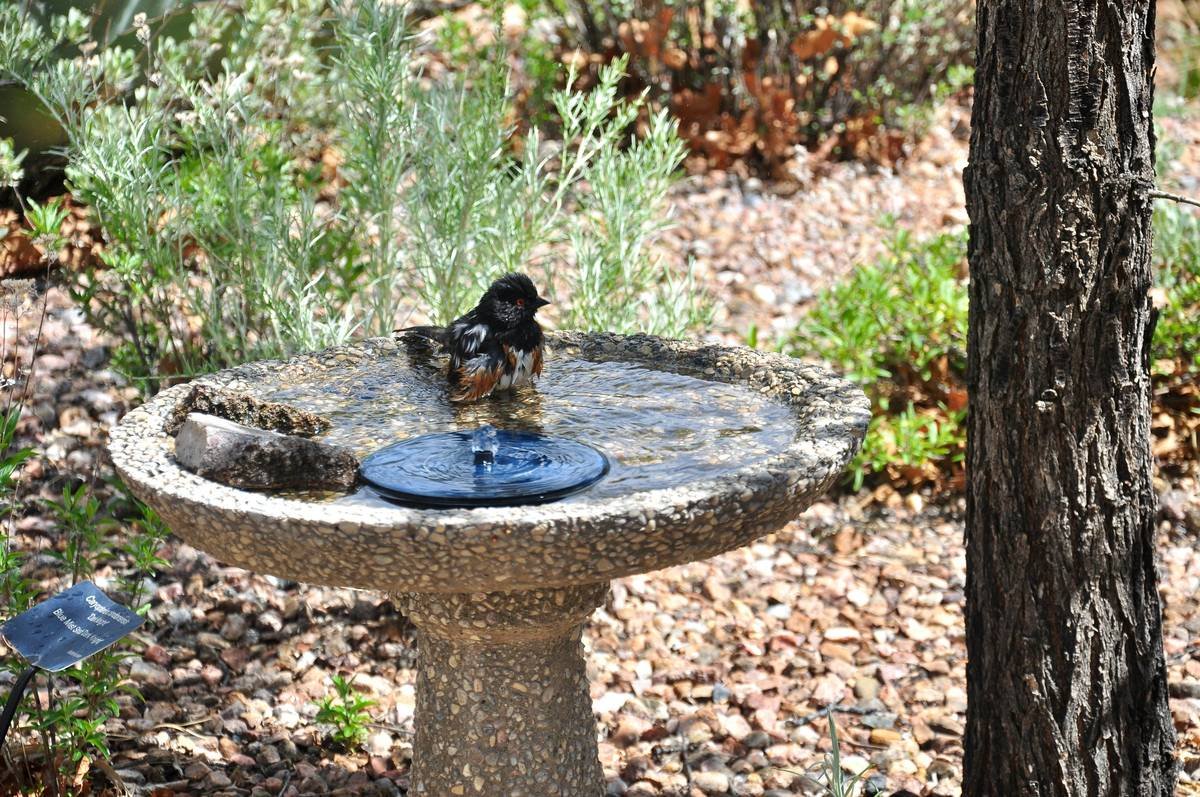
Only if water sits stagnant for >4 days. Change water every 2–3 days in warm months, or add a small solar fountain ($15–$30) to keep water moving—mosquitoes can’t breed in flowing water.
Can I use a decorative bowl or planter as a birdbath?
Yes—if it’s 1–2” deep, has textured interior, and is made of non-toxic material (avoid lead-glazed ceramics). Always drill drainage holes to prevent overflow during rain.
Are solar-powered birdbaths worth it?
For algae/mosquito control, absolutely. Models with tiny bubblers (Nature House, Solar River) cost under $40 and dramatically improve hygiene.
How do I prevent cats from stalking birds at my birdbath?
Elevate the birdbath on a pedestal ≥3 feet high with a smooth pole (cats can’t climb). Or install a motion-activated sprinkler nearby—works like a charm.
Conclusion
Decorative outdoor birdbaths blend artistry with ecology—but only when chosen and maintained with intention. Prioritize shallow depth, bird-safe materials, strategic placement, and consistent cleaning. Do that, and you won’t just enhance your landscape’s aesthetics; you’ll create a vital oasis for local wildlife facing increasing environmental pressures.
So go ahead: pick the birdbath that sings to your soul—then tweak it for feathers, not just filters. Your future backyard chorus will thank you.
Like a Tamagotchi, your birdbath needs daily care… or at least weekly scrubbing.
Bowl full of sky,
Feathers dip and dragonflies hum—
Garden breathes anew.