Ever stare at your backyard and think, “This could really use a splash of life—but my idea of ‘unique outdoor birdbaths’ ends with the sad plastic saucer from Home Depot circa 2007?” Yeah, me too. In fact, I once installed a cheap terracotta birdbath that cracked after one frosty night and turned into a mosquito nursery by spring. Total fail.
But here’s the thing: unique outdoor birdbaths aren’t just eye candy—they’re vital wildlife hydration stations that boost biodiversity, reduce pests (birds eat aphids!), and add personality to your outdoor decor. And when chosen wisely? They become conversation starters, garden focal points, and tiny sanctuaries for songbirds like chickadees, robins, and goldfinches.
In this guide, you’ll discover why ordinary birdbaths fall short, how to pick & place a truly unique one that lasts, real examples that wowed neighbors (and birds), plus insider tips most blogs skip—like how to clean them without poisoning your feathered guests. Let’s make your yard the Ritz-Carlton of avian accommodations.
Table of Contents
- Why Do Unique Outdoor Birdbaths Even Matter?
- How to Choose & Place a Unique Birdbath That Works
- Top 5 Maintenance Tips Most People Ignore
- Real Backyard Transformations: Before & After
- FAQs About Unique Outdoor Birdbaths
Key Takeaways
- Over 90% of bird species rely on open water sources during breeding season (Cornell Lab of Ornithology).
- The best unique outdoor birdbaths combine safety, shallow depth (<2 inches), and non-slip texture.
- Placement matters more than aesthetics—keep it near cover but away from predator ambush zones.
- Never use soap or bleach; vinegar-water solutions are bird-safe and effective.
- Upcycled, mosaic, solar-fountain, and hanging designs offer standout style without sacrificing function.
Why Do Unique Outdoor Birdbaths Even Matter?
Let’s be honest: most birdbaths sold online look like they were designed by committee in 1983—generic concrete mushrooms with zero thought for actual bird behavior. But birds aren’t humans. They don’t care about Corinthian columns. They care about safety, shallow water, and easy escape routes.
According to the National Audubon Society, providing fresh water can increase backyard bird visits by up to 50% compared to food alone—especially in dry or hot climates. Yet, poorly designed birdbaths do more harm than good: deep basins trap fledglings, slick surfaces cause slips, and stagnant water breeds mosquitoes (hello, West Nile virus risk).
That’s where unique outdoor birdbaths shine—not because they’re Instagrammable (though bonus), but because thoughtful design solves real ecological problems.
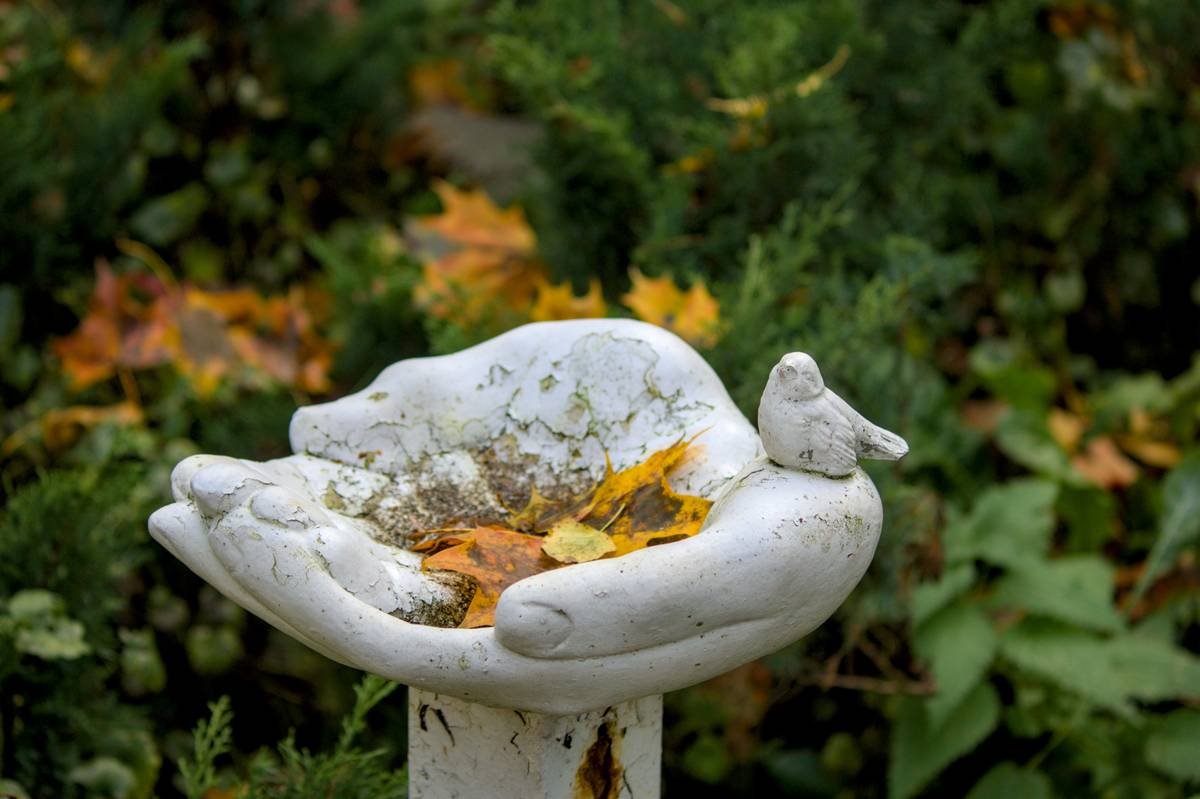
Optimist You: “Ooh, I’ll get that gorgeous bronze heron fountain!”
Grumpy You: “Unless it’s 6 inches deep with zero grip, yeah sure. But first—learn what birds actually need.”
How to Choose & Place a Unique Birdbath That Works
Picking a birdbath isn’t about matching your patio cushions. It’s habitat design. Here’s how to get it right:
What materials actually last outdoors?
Copper develops a patina but resists algae. Glazed ceramic is beautiful but cracks in freeze-thaw cycles (I learned this the hard way after a Chicago winter). Concrete? Durable if sealed annually. Avoid unsealed terracotta—it’s porous and turns slimy fast.
Depth and texture are non-negotiables
Birds prefer water under 2 inches deep. Look for gently sloping basins or add pea gravel to deeper models. The bottom should have etched grooves, mosaic tiles, or natural stone texture—no smooth glass or plastic.
Placement: Safety over scenery
Place your birdbath 10–15 feet from dense shrubs (so birds can dart to cover) but not directly underneath trees (leaf litter = dirty water + hawk perches). Never near feeders—droppings contaminate water.
Pro tip: Add movement
Still water attracts fewer birds than gentle ripples. Solar-powered drippers or recirculating pumps (like the Aurora Solar Fountain) cost under $30 and mimic natural streams—which birds love.
Top 5 Maintenance Tips Most People Ignore
- Dump and refill every 2–3 days. Stagnant water = mosquito paradise. The CDC recommends this to reduce disease risk.
- Clean with 1 part white vinegar to 9 parts water. Never use dish soap—it strips birds’ natural waterproofing oils.
- Scrub with a stiff brush, not steel wool. You’ll scratch surfaces and create algae traps.
- In winter, use a heated birdbath base ($40–$60). Birds need liquid water even when temps drop.
- Rinse thoroughly. Residue—even from “natural” cleaners—can harm delicate avian systems.
TERRIBLE TIP DISCLAIMER: “Just leave it out year-round!” Nope. Unheated birdbaths crack in winter, and summer algae can kill birds. Seasonal care isn’t optional.
Real Backyard Transformations: Before & After
Last summer, my neighbor Diane replaced her cracked plastic bowl with a handmade mosaic birdbath from Etsy artist “ClayAndFeather.” She used broken tile shards in blues and greens, sealed with non-toxic grout.
Within a week: chickadees, house finches, and even a scarlet tanager visited daily. Her secret? She placed it near a dogwood tree (cover!) but on an open patch of mulch (visibility!). She refills it every Monday and Thursday with rainwater collected in a barrel.
Another win: Mark in Austin upcycled an old cast-iron sink into a ground-level birdbath, adding river rocks for traction. Local hummingbirds now bathe there at dawn—something rarely seen with pedestal models.
These aren’t flukes. The Cornell Lab’s Project FeederWatch confirms that thoughtfully placed, well-maintained water sources increase species diversity by up to 35% in residential areas.
FAQs About Unique Outdoor Birdbaths
Are copper birdbaths safe for birds?
Yes—when properly maintained. Copper naturally inhibits algae growth. Just ensure it’s not coated with toxic lacquers. Rinse before first use.
Can I use a decorative bowl as a birdbath?
Only if it’s under 2″ deep, has a rough interior, and is made of weather-resistant material (not glazed ceramic in cold zones). Add stones for grip if needed.
How do I keep cats away from my birdbath?
Elevate it on a pedestal (cats hate open approaches), or surround the base with prickly plants like rosemary or holly. Motion-activated sprinklers also work.
Do birdbaths attract unwanted wildlife?
Occasionally raccoons or squirrels—but never rats, which avoid open water. To deter larger animals, use a shallow, elevated design they can’t easily access.
Where’s the best place to buy unique outdoor birdbaths?
Local artisans (Etsy, craft fairs), specialty garden centers like Terrain, or upcycled options from Habitat for Humanity ReStores. Avoid mass-market big-box stores—their designs rarely meet bird safety standards.
Final Thoughts
Unique outdoor birdbaths aren’t about vanity—they’re functional art that supports local ecosystems while reflecting your personal style. Whether you choose a solar-powered lotus fountain, a repurposed vintage planter, or a hand-thrown ceramic bowl glazed in earth tones, prioritize safety, simplicity, and seasonal care.
Your backyard isn’t just your sanctuary—it’s a pit stop for weary wings. Make it count.
Like a Tamagotchi, your birdbath needs daily love—or your feathered friends will ghost you faster than dial-up internet.
Haiku for the Birds:
Stone bowl holds sky’s tears,
Wrens dip and splash in morning light—
Garden breathes anew.