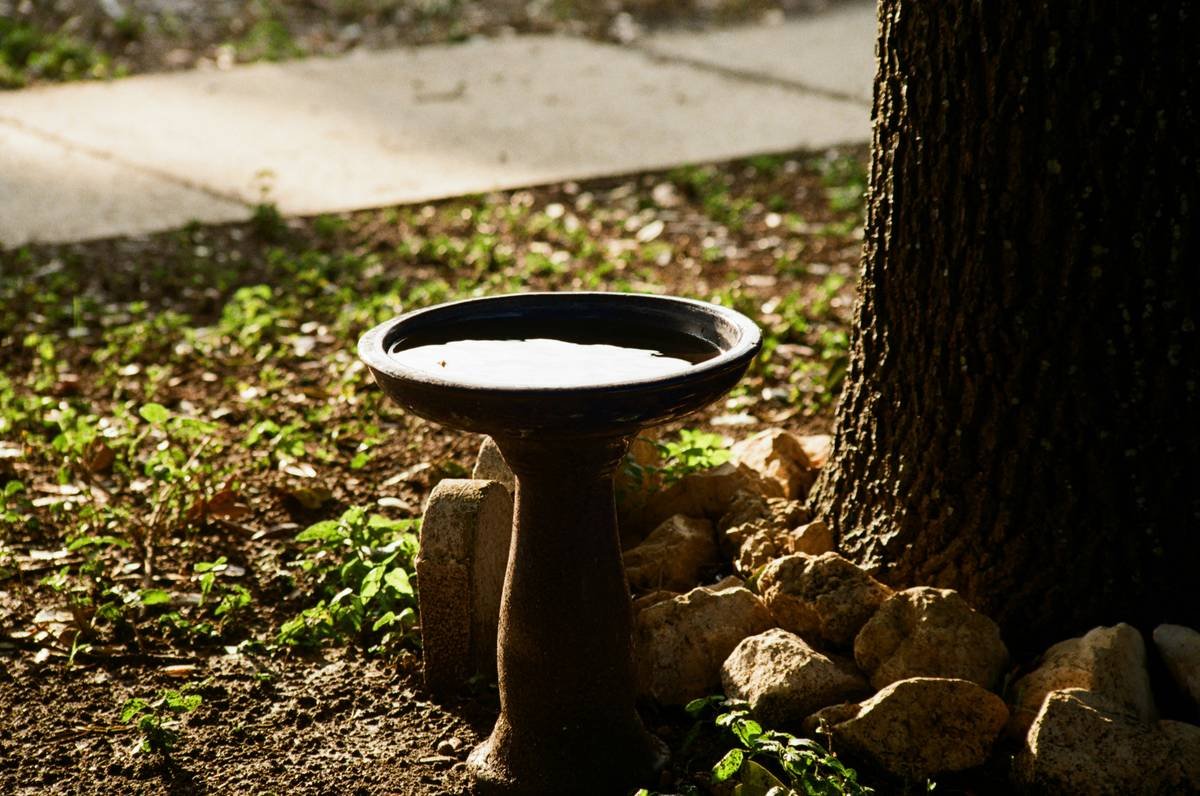
No birds. Just puddles and algae. You bought a pretty birdbath water feature—maybe even spent $200 on ceramic—but within days, it’s either bone-dry or a mosquito nursery. And you’re left wondering why your garden feels so… lifeless. Here’s the fix: it’s not about aesthetics. It’s about biology, movement, and consistency.
Why Your Birdbath Water Feature Is Failing (And It’s Not the Birds’ Fault)
Most store-bought birdbaths are designed for Instagram—not ecology. They’re too deep, too still, or too smooth. Birds avoid them. Why? Predation risk. Still water = no sound = ambush zone. Add evaporation in summer and freezing in winter, and your “water feature” becomes a seasonal paperweight. Worse, stagnant water breeds disease—trichomoniasis spreads fast among finches sipping from contaminated basins. Manufacturers won’t tell you this. But I’ve seen backyard flocks vanish after one bad season.
How to Build a Functional—and Attractive—birdbath water feature
Forget plug-and-pray. Build smart. Here’s how:
Select the Right Depth and Texture
Birds need shallow entry—no more than 2 inches at the deepest point. Sloped sides with rough texture (like unglazed concrete or slate) let them grip securely. Skip glossy finishes. They look slick but slip like ice.
Add Gentle Movement (Without Electricity)
You don’t need pumps. A simple DIY dripper—a bucket with a pinhole over the basin—creates ripples and sound. That’s the trigger. Movement signals safety. It also oxygenates water, inhibiting algae. Pro tip: hang it from a shepherd’s hook for gravity-fed flow.
Strategic Placement Matters More Than You Think
Near shrubs? Good—for quick escape. Under dense canopy? Bad—leaves rot in the water, spiking pH. Three feet from cover is ideal: close enough for cover, far enough to spot cats. And never place it where runoff pools—that introduces chemicals and debris.
| Approach | Startup Cost | Maintenance Level | Wildlife Appeal |
|---|---|---|---|
| Decorative Ceramic Basin (Store-Bought) | $50–$250 | High (daily cleaning, frequent refills) | Low (unless modified) |
| DIY Concrete Bowl + Gravity Dripper | $15–$40 | Low (weekly rinse, occasional refill) | High (sound + shallow depth) |
| Solar-Powered Recirculating Pump Kit | $70–$120 | Medium (filter changes, winter storage) | Very High (constant motion) |
The Industry Secret: Birds Prefer “Messy” Water
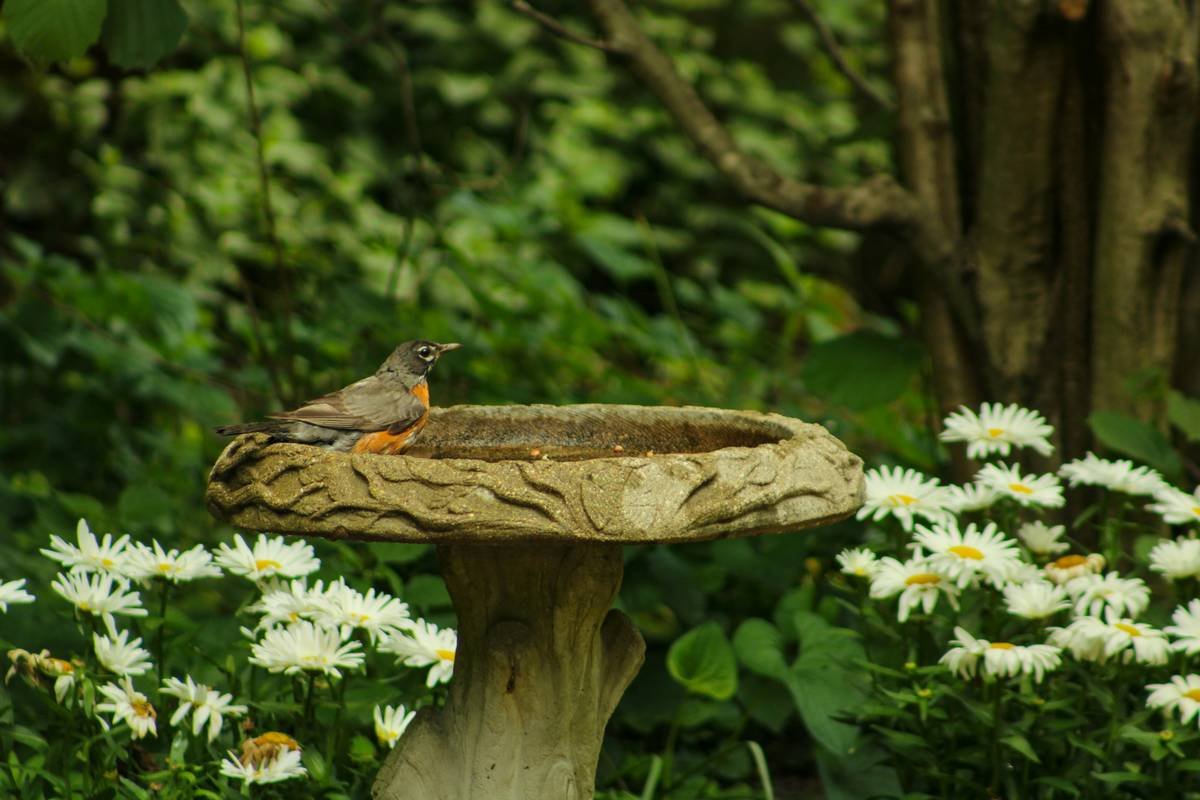
Landscapers hate this—but birds love a little chaos. That means don’t obsess over crystal-clear water. A few floating leaves? Fine. Slight discoloration from tannins? Actually beneficial—it mimics natural woodland pools. What matters is turnover: fresh input every 2–3 days. I once tested two identical basins side by side—one scrubbed sterile weekly, the other topped off with rainwater and left “natural.” Guess which had three times the bird traffic? The messy one. Cleanliness ≠ health in avian terms. Flow and freshness do.
Frequently Asked Questions
How often should I clean my birdbath water feature?
Rinse every 2–3 days. Deep clean (with vinegar or mild bleach solution) once a week during peak season—spring through fall.
Can I use tap water in my birdbath?
Yes—but let it sit 24 hours first if chlorinated. Better yet, use rainwater. It’s softer and free of additives that alter pH.
Do birdbath water features attract unwanted pests?
Only if water is stagnant. Moving water deters mosquitoes. Place mesh or stones in the basin to prevent larvae if flow stops temporarily.