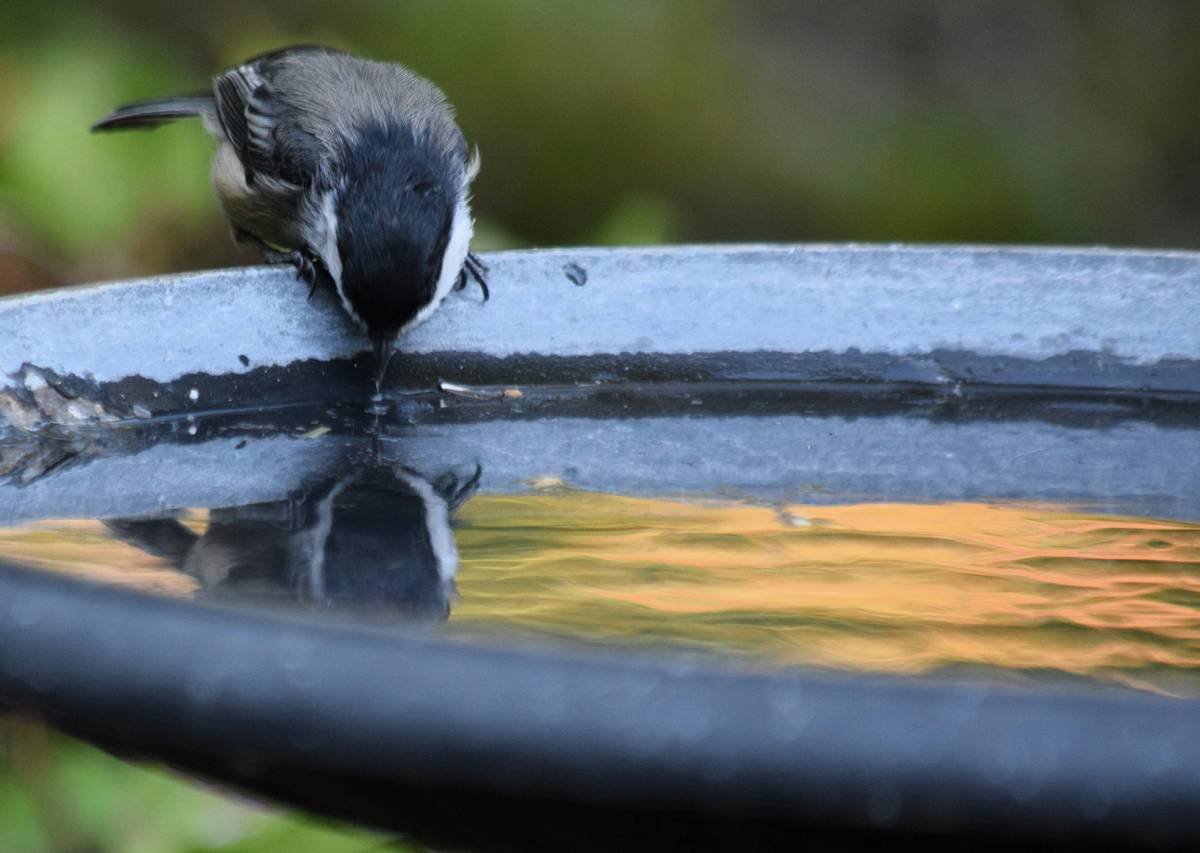
You’ve seen them—sparrows splashing, robins preening, finches darting in for a quick dip. But why do birds use a birdbath? It’s not just about looks. Without clean water, birds struggle to regulate temperature, stay parasite-free, and even take flight safely. Yet most backyard setups fail before the first bird lands.
Why Most Birdbaths Sit Empty (And What Birds Actually Need)
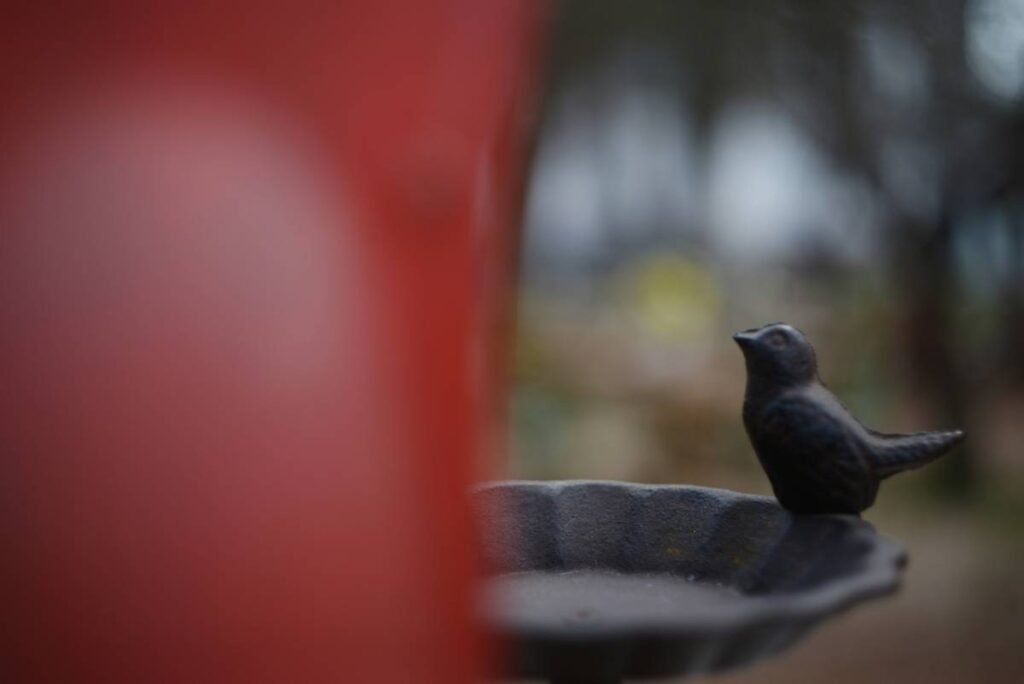
A shiny ceramic bowl on a pedestal might look Instagram-worthy—but birds ignore it. Why? Because aesthetics beat function. Birds need shallow depth (under 2 inches), rough texture for grip, and placement that balances safety with visibility. Too open? Predators spot them easily. Too hidden? They won’t find it. And stagnant water? A breeding ground for disease—not a spa.
How to Build a Birdbath That Birds Will Actually Visit
Forget expensive store-bought models. The best birdbaths mimic nature—simple, accessible, and maintained. Here’s how to get it right:
Choose the Right Depth & Material
Birds avoid deep water. Shorebirds and songbirds alike prefer ½ to 2 inches. Use concrete, stone, or textured plastic—never smooth glass or glazed ceramic. Add pebbles or marbles if your basin is too slick.
Placement Is Everything
Position your birdbath 3–10 feet from shrubs or trees. Close enough for quick escape, far enough to spot hawks. Avoid placing it under feeders—droppings contaminate water fast.
Maintenance Beats Beauty
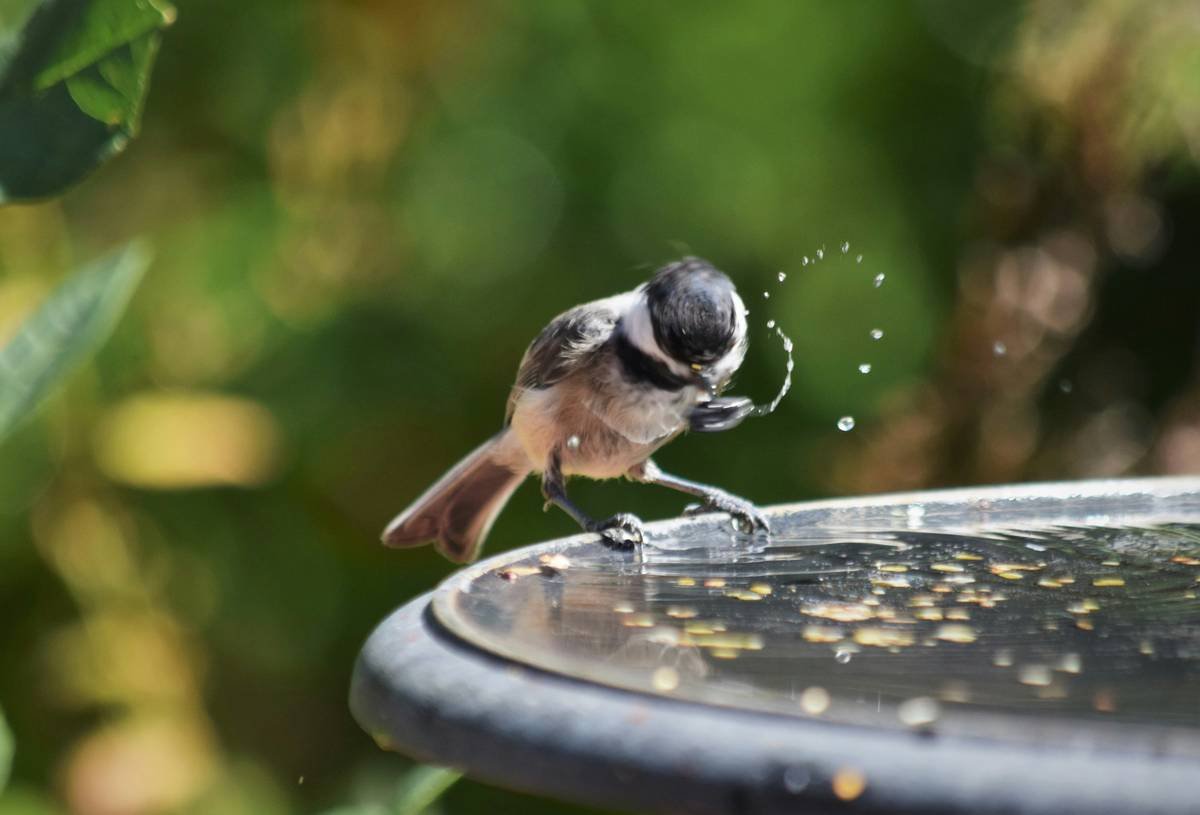
Change water every 2–3 days. Scrub weekly with vinegar (no soap—it strips natural oils from feathers). In summer, add ice cubes to keep it cool. Motion-activated drippers? Worth every penny—they attract birds through sound and ripple.
| Birdbath Feature | Poor Choice | Bird-Approved Alternative |
|---|---|---|
| Depth | 4+ inches deep | 1–2 inches with shallow slope |
| Surface | Glossy ceramic | Rough stone or rubber base |
| Location | Middle of open lawn | Near cover but with clear sightlines |
| Water Movement | Stagnant | Dripper, mister, or solar fountain |
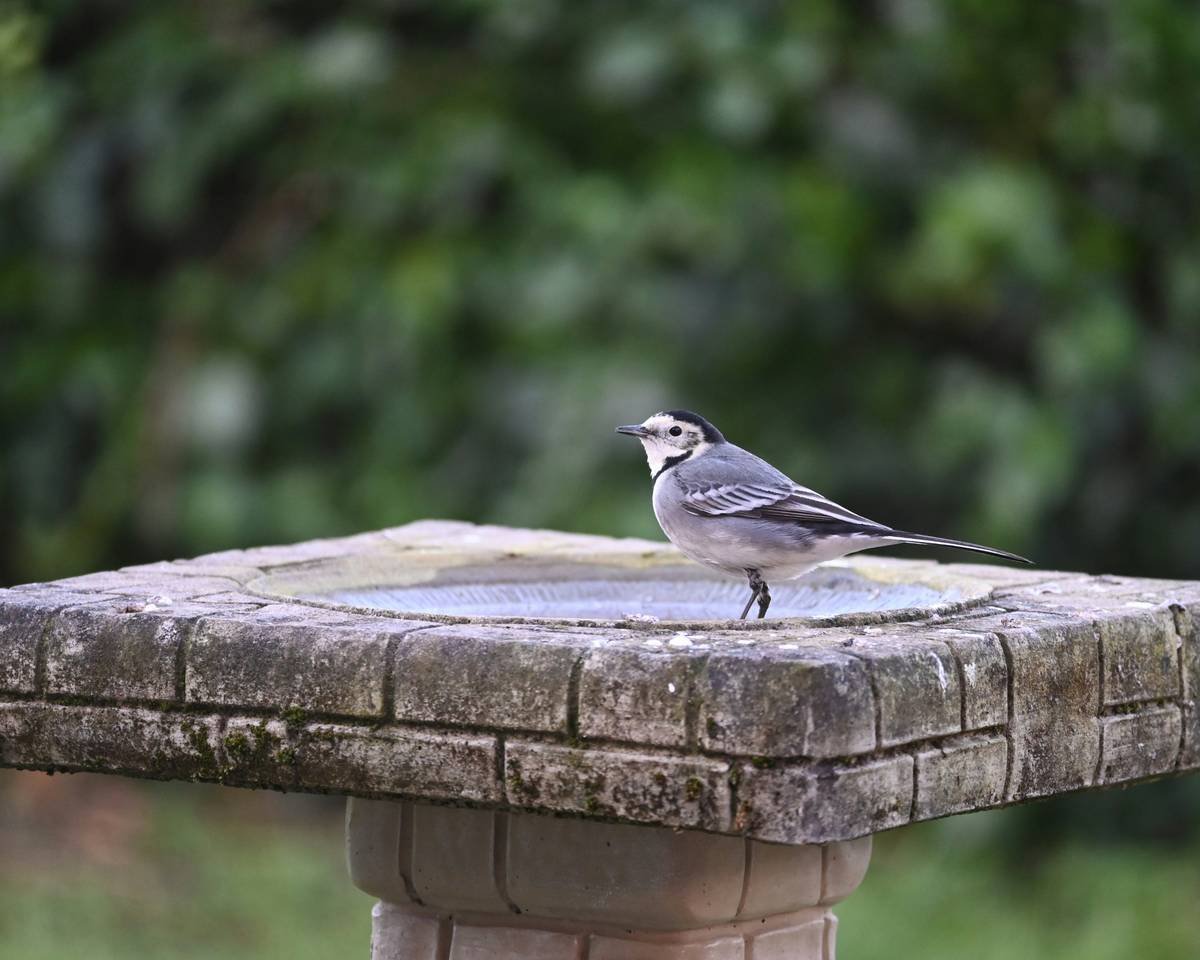
The Industry Secret: Birds Don’t Just Bathe—They Communicate
Here’s what ornithologists rarely mention publicly: birdbaths function as social hubs. It’s not only about hygiene. Flocks use them to exchange information—about food sources, predators, even migration cues. A well-placed birdbath can turn your yard into an avian “watering hole” where species that never interact at feeders share space peacefully. That splash you hear? It’s not just cleaning—it’s chatter. And if your bath stays empty, you’re not just missing photo ops—you’re silencing a vital neighborhood network.
Frequently Asked Questions
Do birds really need birdbaths if there’s a pond nearby?
Yes. Natural ponds often harbor parasites or predators. Shallow, clean birdbaths offer safer, faster access—especially for small birds.
How often should I clean my birdbath?
Every 2–3 days in warm weather. Algae and mosquito larvae grow fast. A quick vinegar rinse prevents biofilm buildup without harming birds.
Will a moving water feature scare birds away?
Not if it’s gentle. Drippers or bubblers actually attract more species—birds hear moving water from hundreds of feet away.