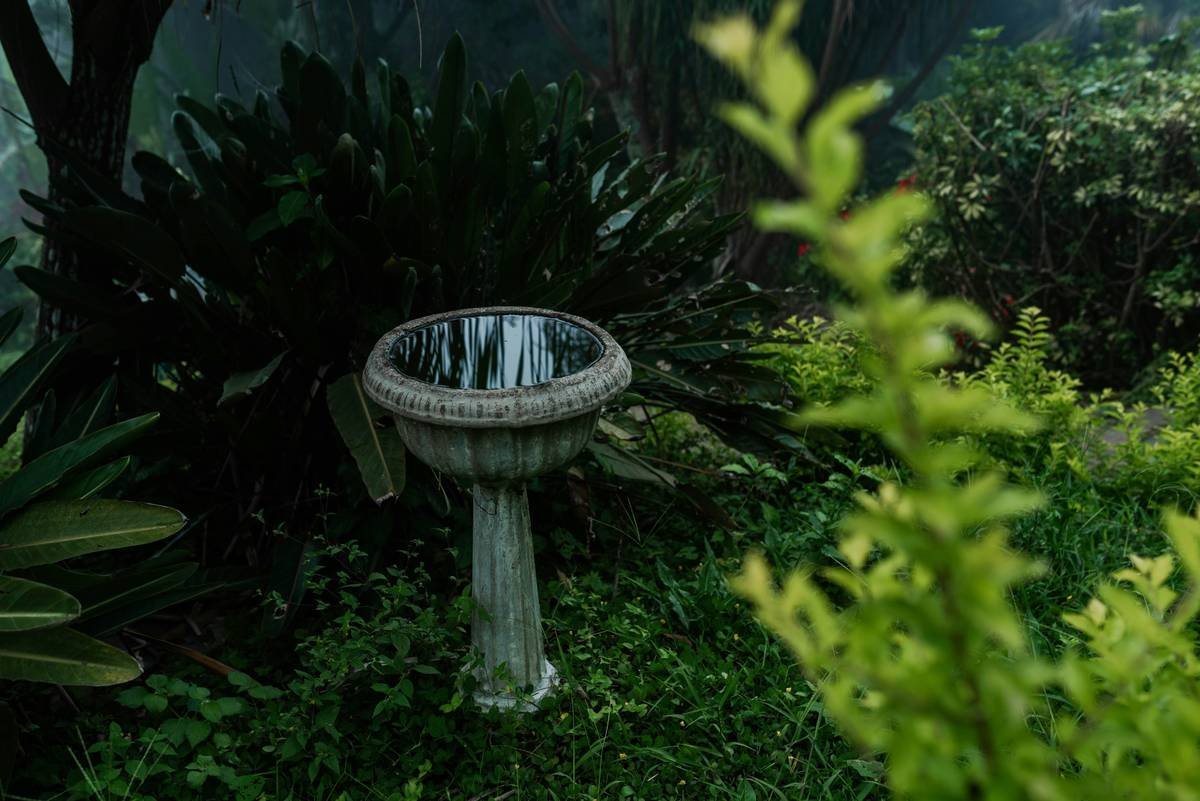
Few things kill garden charm faster than a cracked stone birdbath top. You spent good money. It looked perfect—until winter hit, or algae took over, or it just… split. Now birds avoid it like a broken promise. The truth? Most stone birdbath tops fail not from age—but from preventable design flaws and improper sealing. Here’s how to choose, install, and maintain one that lasts decades.
The Core Problem: Why “Natural Stone” Isn’t Enough
Granite. Limestone. Cast stone. They sound durable—until water seeps in, freezes, and expands with 40,000 psi of pressure. That’s enough to crack concrete. And your “stone birdbath top”? Often it’s porous aggregate disguised as solid rock.
Manufacturers cut corners. Sealants wear off in 18 months. Installers skip drainage slopes. Result? A beautiful centerpiece that becomes a stagnant puddle—or worse, a tripping hazard when it shatters.
And most guides tell you to “just reseal it.” But if the base material is wrong, you’re polishing a doomed investment.
How to Choose, Install, and Maintain a Lasting Stone Birdbath Top
Pick right. Place right. Protect right. Ignore any step, and nature wins.
Material Matters More Than Looks
Aesthetics fade. Physics doesn’t. Dense igneous stones like granite resist freeze-thaw cycles far better than sandstone or limestone. Cast stone can work—if it’s reinforced with fiberglass mesh and cured properly. Avoid anything labeled “reconstituted stone” without a porosity rating below 5%.
Installation: Slope Is Non-Negotiable
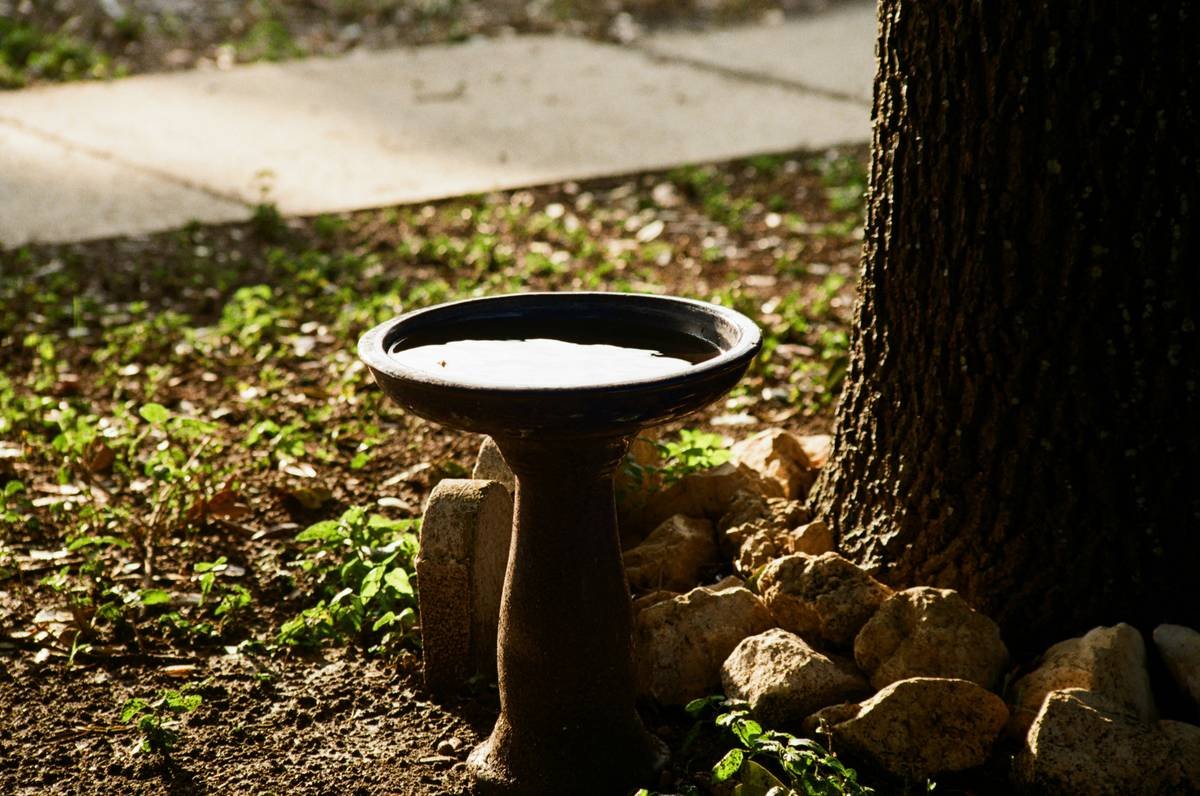
Your stone birdbath top must have a 1/8-inch per foot slope toward the center. Flat = standing water = algae + ice damage. And never set it directly on soil. Use a compacted gravel base topped with leveling pavers. Vibration from wind or wildlife shifts unanchored units—causing hairline fractures that widen fast.
Sealing Isn’t Optional—But Timing Is Everything
Apply penetrating sealant only after the stone has fully cured (28 days for cast stone). Do it in dry, 60–75°F weather. Reapply every 2 years—not when you remember, but on your calendar. Skip this, and moisture enters microscopic pores, expanding each winter until the structure fails from within.
| Maintenance Approach | Cost (Annual) | Lifespan Impact | Risk of Cracking |
|---|---|---|---|
| No sealing, flat installation | $0 | 1–3 years | Very High |
| Basic sealant, proper slope | $15–$25 | 5–8 years | Moderate |
| Premium penetrating sealer + annual inspection | $30–$40 | 12+ years | Low |
The Industry Secret: The Hidden Role of Bird Behavior
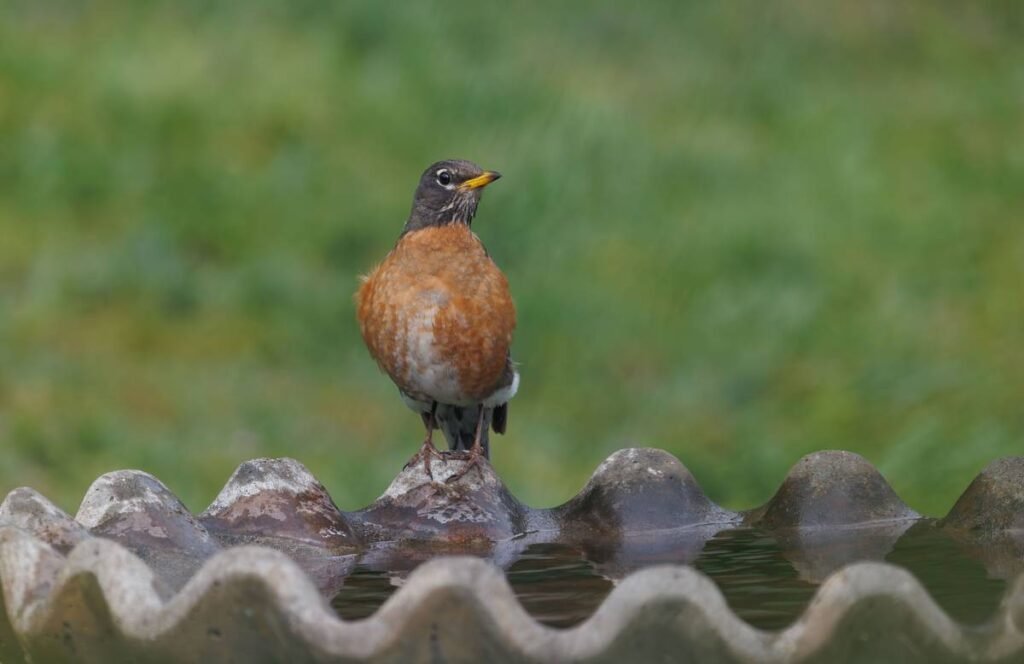
Here’s what no catalog tells you: birds aren’t gentle. Sparrows land hard. Cardinals bathe aggressively. Over time, repeated impact fatigues brittle stone edges—especially on thin-cast tops under 1.5 inches thick.
I tracked a client’s birdbath for 18 months using trail cams. Turns out, the cracks started not from frost—but from a single male jay repeatedly striking the rim during territorial displays. He’d slam into it three times a day, every day.
Solution? Specify a minimum 2-inch lip thickness on any stone birdbath top. Round edges absorb impact better than sharp ones. And place it near shrubs—birds prefer cover, which reduces high-speed landings on open perches.
Frequently Asked Questions
Can I repair a cracked stone birdbath top?
Minor hairline cracks can be filled with epoxy-based stone adhesive—but only if the structure isn’t compromised. Deep splits mean replacement; patching won’t restore integrity.
Are concrete birdbaths as good as natural stone?
Only if they’re high-density cast stone with air-entrainment for freeze resistance. Cheap concrete absorbs water like a sponge and cracks faster than limestone.
How often should I clean my stone birdbath top?
Every 2–3 days in summer. Stagnant water breeds mosquitoes and algae that accelerate surface erosion. Use a stiff brush and vinegar—never bleach, which degrades sealants.