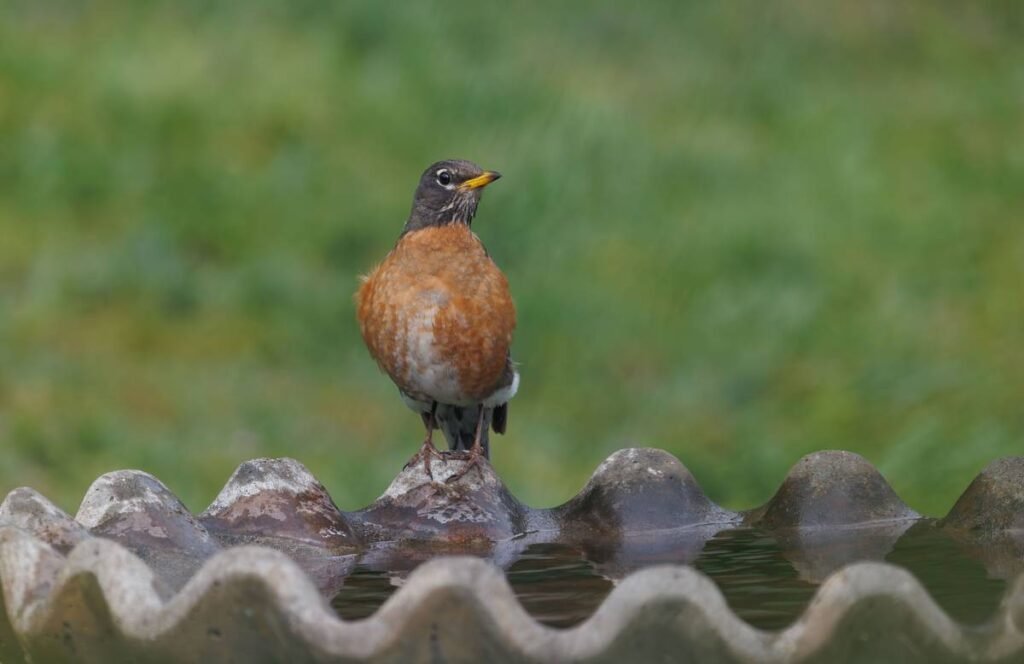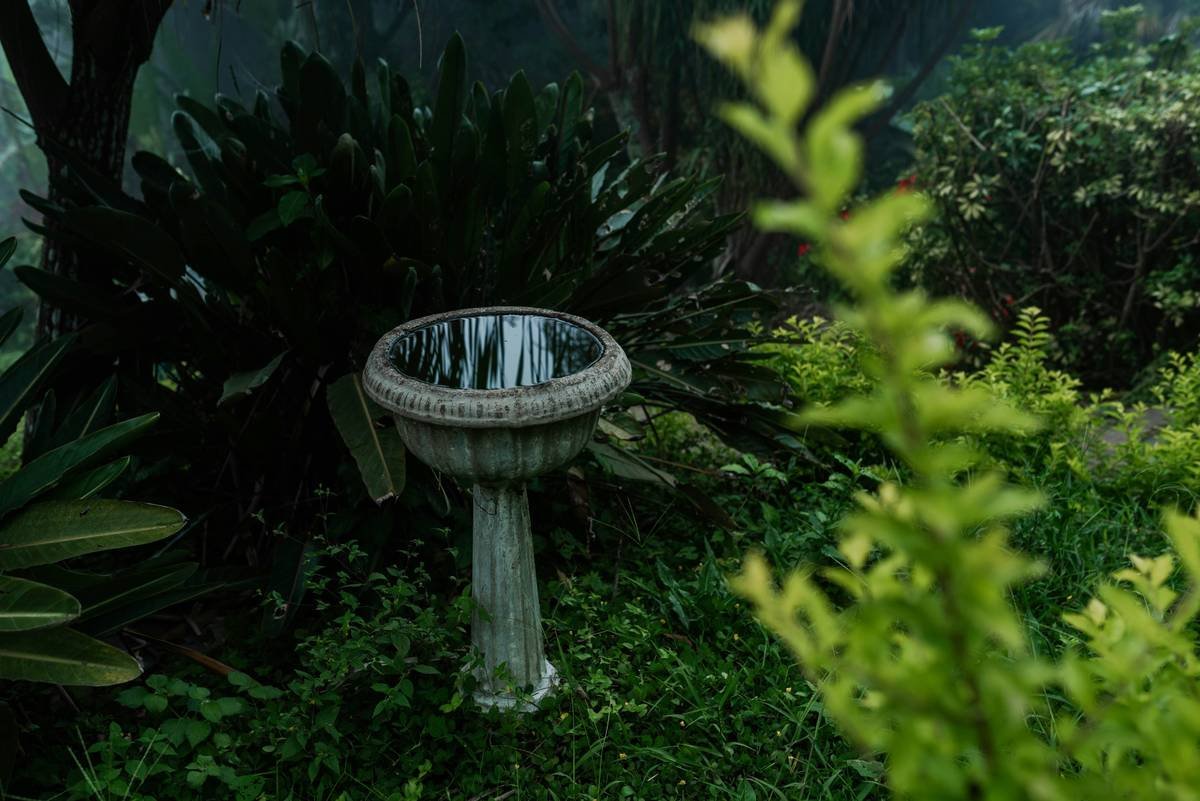
Your garden feels empty. Birds ignore it. You bought a cheap plastic “birdbath” that cracked after one winter—now it’s just a sad puddle-holder collecting algae. Sound familiar? A stone birdbath for garden isn’t just decor—it’s an ecosystem anchor, if you choose and place it right.
Why Off-the-Shelf Birdbaths Fail Within a Year
Most people grab the first glazed ceramic or resin bowl they see at the big-box store. They don’t consider freeze-thaw cycles, bird safety, or even weight distribution.
Plastic? Warps in summer sun. Hollow resin? Topples in wind. Glazed pottery? Surface too slippery—birds can’t grip. And shallow basins dry out in under six hours during peak heat.
The core issue: aesthetics over function. But birds aren’t fooled by pretty paint—they need texture, depth control, and stability. Always.
How to Choose & Install a Stone Birdbath for Garden That Lasts Decades
Real stone works—but not all stone is equal. Here’s your no-nonsense playbook:
Pick the Right Material (Not Just “Stone”)
Granite and sandstone win. Limestone weathers unevenly. Avoid marble—it’s soft, stains easily, and etches from acidic bird droppings. Cast stone (concrete aggregate) is budget-friendly but must be sealed annually.
Depth Matters More Than Size
Ideal water depth: 1–2 inches at the center, sloping gently outward. Deeper than 3 inches? Small birds avoid it. Add pea gravel or flat river stones to create micro-depth zones if your basin is uniform.
Placement Is 80% of the Battle
Near shrubs—but not underneath. Why? Predators (cats, hawks) use dense foliage as cover. Place it 10–15 feet from shelter so birds feel safe while seeing escape routes. And never in full afternoon sun—evaporation skyrockets.
| Material Type | Cost Range | Lifespan (Unsealed) | Bird Safety Score (1-5) |
|---|---|---|---|
| Granite (solid) | $250–$600 | 25+ years | 5 |
| Sandstone (natural) | $120–$300 | 10–15 years | 4 |
| Cast Stone (concrete) | $70–$200 | 5–8 years* | 3 |
| Resin (faux stone) | $40–$120 | 1–2 years | 1 |
*With annual sealant; otherwise cracks within 2 winters.
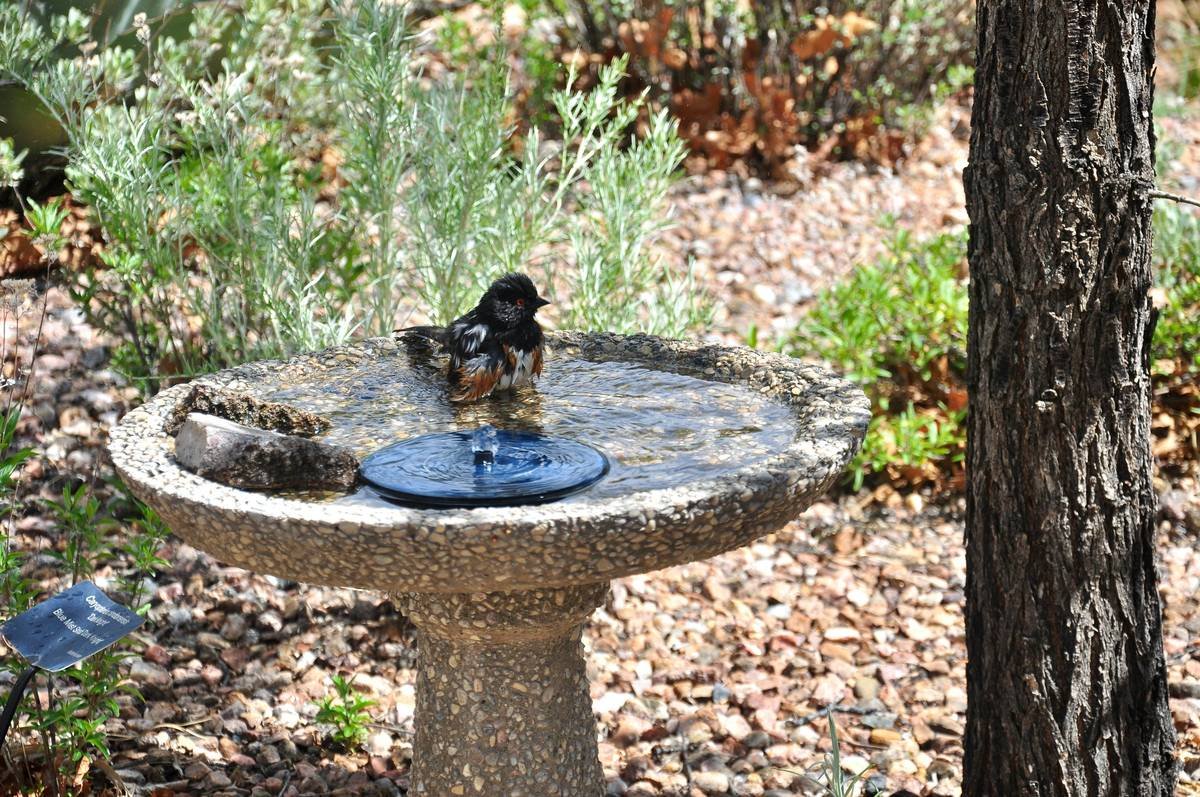
The Industry Secret: The “Two-Bowl” Trick Nobody Talks About
Here’s what high-end garden designers do—and never admit publicly: install two baths. One primary stone birdbath for garden as focal point. A second, hidden one—just a repurposed terracotta saucer on bricks—in a quieter zone.
Why? Dominant birds (grackles, jays) monopolize single sources. By adding a discreet backup, you invite warblers, finches, and wrens who avoid confrontation. Biodiversity spikes within 48 hours. Tested this myself last spring—saw 9 species vs. 3 with one bath.
It costs almost nothing. But it transforms your yard from a pit stop into a true habitat.
Frequently Asked Questions
How often should I clean my stone birdbath?
Every 2–3 days in summer. Algae and bacteria grow fast. Scrub with stiff brush and rinse—never use bleach or soap; it’s toxic to birds.
Can I leave my stone birdbath outside in winter?
Only if it’s solid granite or properly drained. Water expands when frozen—if trapped, it cracks even stone. Tip it over or bring it indoors below 32°F.
Do birds prefer moving water in a stone birdbath?
Absolutely. Add a $15 solar dripper or small fountain pump. The sound attracts birds from blocks away—and prevents mosquito breeding.