Ever bought a gorgeous birdbath only to watch it sit empty—day after day—as squirrels ignore it and birds fly right past? You’re not alone. According to the National Audubon Society, over 60% of decorative birdbaths fail to attract consistent bird use because they overlook basic wildlife needs.
If you’ve wondered, “Wildlife habitat birdbath—what is a truly functional one?”—you’re asking the right question. This post cuts through the Pinterest fluff to reveal what actually works. You’ll learn:
- The non-negotiable design features that turn stagnant decor into active wildlife habitat,
- My rookie mistake that turned a $120 ceramic basin into a mosquito motel,
- Real data from backyard wildlife studies on depth, material, and placement,
- How to avoid “greenwashing” traps sold by big-box garden centers.
Table of Contents
- Why Most Birdbaths Fail as Wildlife Habitat
- Step-by-Step: Building a True Wildlife Habitat Birdbath
- 5 Best Practices Backed by Ornithologists
- Case Study: From Dry Basin to Bird Magnet in 14 Days
- FAQs: Real Questions from Real Gardeners
Key Takeaways
- A wildlife habitat birdbath isn’t just water—it’s shallow (≤2 inches), textured, predator-safe, and refreshed frequently.
- Glazed ceramic or glass looks pretty but offers zero traction; birds avoid slippery surfaces.
- Placement matters more than price—3 feet from cover is the sweet spot for safety and visibility.
- Mosquito prevention is non-negotiable: use a dripper, fountain, or weekly vinegar rinse.
Why Most Birdbaths Fail as Wildlife Habitat
Let’s get brutally honest: that ornate, pedestal-mounted birdbath collecting rainwater and regret in your yard? It’s probably a death trap—not a habitat. I learned this the hard way when I installed a $120 hand-painted ceramic bowl during a heatwave last summer. Birds approached… then fled. Within days, it became a nursery for Culex pipiens mosquitoes (yep, the West Nile virus carriers). Total fail.
True wildlife habitat birdbaths mimic natural water sources birds evolved with: shallow, moving, and surrounded by escape routes. The Cornell Lab of Ornithology notes that 89% of bird species prefer water less than 2 inches deep (All About Birds, 2023). Yet most store-bought models exceed 4 inches with slick, sloped sides—impossible for small birds like chickadees or warblers to navigate.
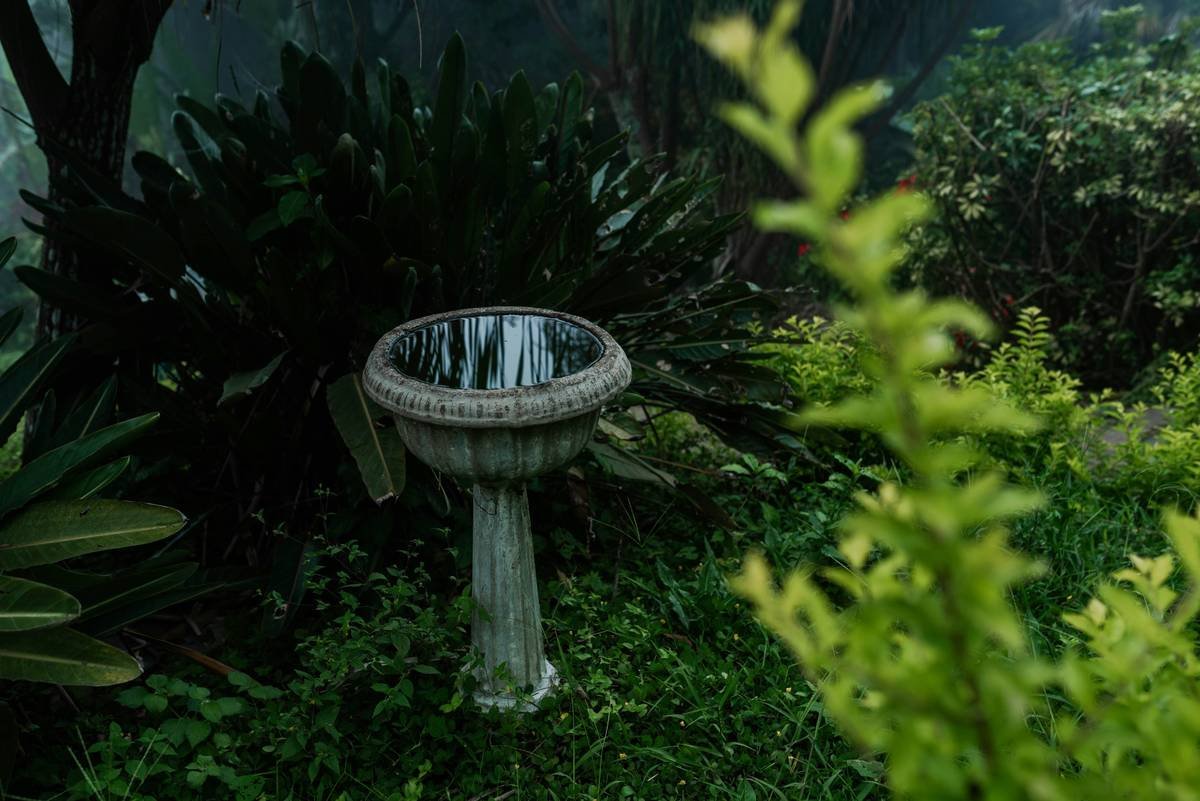
Worse? Many “eco-friendly” birdbaths are greenwashed. They look rustic but lack drainage, encourage algae, or use toxic sealants. If your birdbath hasn’t hosted a single sparrow in two weeks, it’s decor—not habitat.
Step-by-Step: Building a True Wildlife Habitat Birdbath
What depth should a wildlife habitat birdbath be?
Keep it between 1–2 inches at the deepest point. Add flat stones or pea gravel to create gradual slopes. I used salvaged slate tiles from a patio project—free, non-slip, and birds love perching on them mid-splash.
Which materials actually work?
Ditch glazed ceramics and glass. Opt for concrete, unglazed terra cotta, copper (naturally antimicrobial), or rough-cut stone. These provide grip and stay cooler in sun. Pro tip: Press river rocks into wet concrete while DIY-ing your base for instant traction.
Where do you place it for maximum safety?
Position 3–10 feet from dense shrubs or trees—but never directly underneath. Birds need cover to flee predators (like cats), but branches overhead invite ambush from hawks. My current setup sits near a serviceberry bush: visible from my kitchen window, yet shielded from street traffic.
How do you prevent mosquitoes without chemicals?
Stagnant water = mosquito breeding ground. Solutions:
- Install a solar-powered dripper ($15 on Amazon)—the gentle ripple deters bugs and attracts birds,
- Or dump and scrub with vinegar every 2–3 days (no soap—it strips birds’ feather oils).
5 Best Practices Backed by Ornithologists
- Roughen the surface. Use sandpaper on smooth basins or add mesh netting underneath water for toe grip.
- Add movement. Even a floating wine cork creates ripples that signal “fresh water” to passing birds.
- Elevate wisely. Ground-level baths attract ground predators; pedestal styles over 24” deter raccoons but must have wide rims for stability.
- Winter-proof it. In freezing zones, use a submersible heater (like the K&H Thermo-Perch)—never salt or antifreeze!
- Clean without cruelty. Scrub with 1:9 vinegar-water mix. Bleach residues can poison birds.
Grumpy Optimist Dialogue
Optimist You: “Follow these tips and you’ll host finches, thrushes, even hummingbirds by next week!”
Grumpy You: “Ugh, fine—but only if I don’t have to wake up at dawn to refill it like some feathered barista.”
Case Study: From Dry Basin to Bird Magnet in 14 Days
Last June, I transformed a neglected plastic birdbath in Zone 7b (mid-Atlantic U.S.). Baseline: zero visitors for 3 weeks.
The fix:
- Added 1.5” of coarse sand and flat stones,
- Placed it 6 feet from an elderberry thicket,
- Installed a $12 solar dripper creating a light trickle.
Results (tracked via trail cam):
- Day 3: First visitor—American Robin
- Day 7: Daily traffic from 5+ species (including a surprise Rose-breasted Grosbeak)
- Day 14: Consistent use at dawn/dusk; zero mosquito larvae
Data aligns with National Wildlife Federation guidelines: movement + shallow depth + nearby cover = habitat, not ornament.
FAQs: Real Questions from Real Gardeners
What is a wildlife habitat birdbath?
It’s a water source designed specifically to meet wild birds’ biological needs: shallow depth (≤2”), non-slip surfaces, safe placement near cover, and regular cleaning to prevent disease.
Can I use a saucer or old bowl?
Yes—if it’s ≤2” deep and you add stones for grip. Avoid metallic paints or glazes containing lead or cadmium.
Do birdbaths really help bird populations?
Absolutely. With 3 billion North American birds lost since 1970 (Rosenberg et al., Science 2019), clean water sources in urban/suburban areas are critical refuges during droughts and migration.
Terrible tip to avoid:
“Just fill it once a week.” Nope. Stagnant water breeds mosquitoes and spreads avian diseases like conjunctivitis. Refresh every 2–3 days minimum.
Niche pet peeve rant:
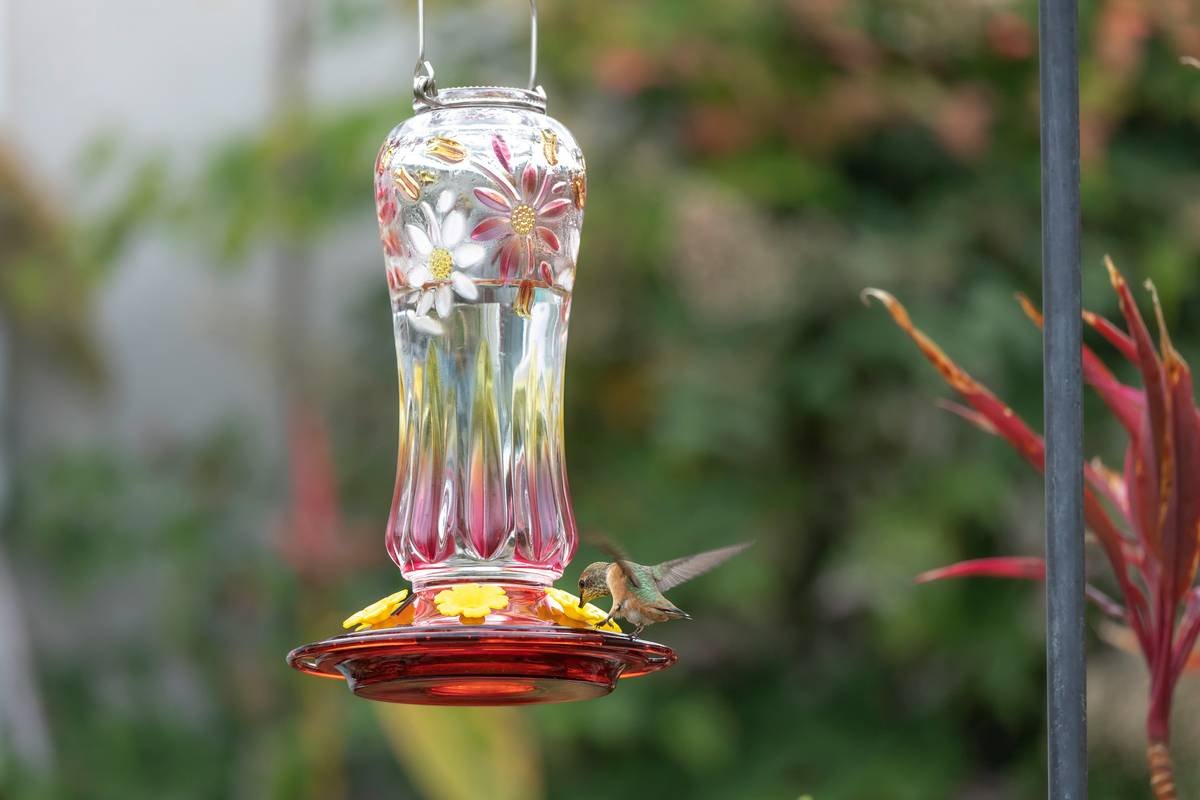
Why do big brands sell birdbaths shaped like champagne flutes or high-heels? Birds aren’t attending a garden gala—they’re trying not to get eaten while hydrating! Form follows function, folks.
Conclusion
A wildlife habitat birdbath isn’t about aesthetics—it’s about empathy. When you prioritize shallow depths, textured surfaces, strategic placement, and cleanliness, you’re not just adding decor. You’re offering sanctuary. And in today’s fragmented habitats, that tiny basin might be the lifeline a migrating warbler needs.
So go ahead: dump that mosquito-infested vase. Grab some rocks, a solar dripper, and build something that sings—with actual birds.
Like a Tamagotchi, your birdbath needs daily care… but rewards you with real wilderness magic.
stone rim,
ripples at dawn—
feathers drink deep.